O que você está procurando?
Enchimento de silenciador de 2 tempos deve ser selecionado para o silenciador que está sendo montado ou reparado, não simplesmente para a cilindrada do motor impressa na motocicleta. As dimensões do núcleo, o espaço de enchimento disponível, a construção do material e a quantidade de enchimento especificada pertencem à especificação de compra.
A BSTFLEX fornece enchimento de exaustão de fibra de vidro e componentes de enchimento contido personalizados para fabricantes de exaustão de motocicletas, marcas de kits de reenchimento e distribuidores. Para um novo silenciador de dois tempos ou um programa de substituição existente, envie o desenho do silenciador, uma amostra de enchimento de referência não utilizada ou as dimensões necessárias para discutir um formato de fornecimento adequado.
Solicite um orçamento de enchimento para 2 tempos | Navegar por materiais de enchimento de silenciador
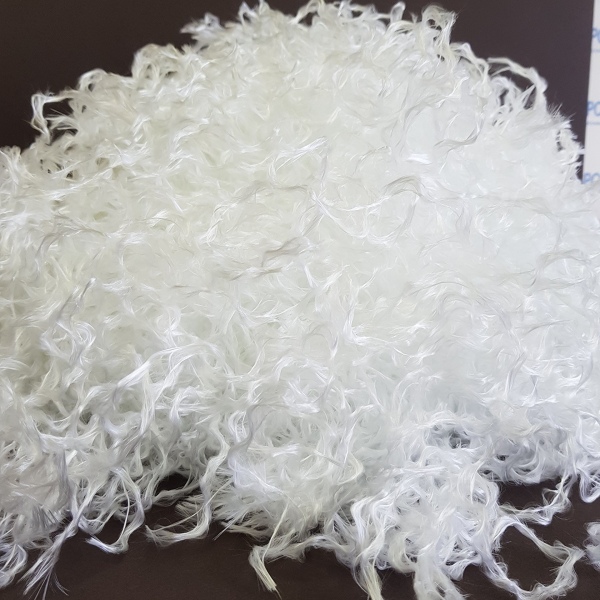
Use as opções abaixo para identificar um produto inicial. A adequação final depende do grau do material, das dimensões acabadas e dos requisitos do silenciador completo.
| Requisito de compra | Produto BSTFLEX | O que confirmar |
|---|---|---|
| Enchimento de fibra de vidro para uma especificação de enchimento existente | Enchimento de silenciador de exaustão de fibra de vidro E | Grau da fibra, forma de fornecimento e quantidade necessária por silenciador |
| Enchimento em forma de folha para um processo de envolvimento definido | Enchimento de silenciador de exaustão de fibra de vidro | Dimensões de corte, espessura, peso do material e ajuste instalado |
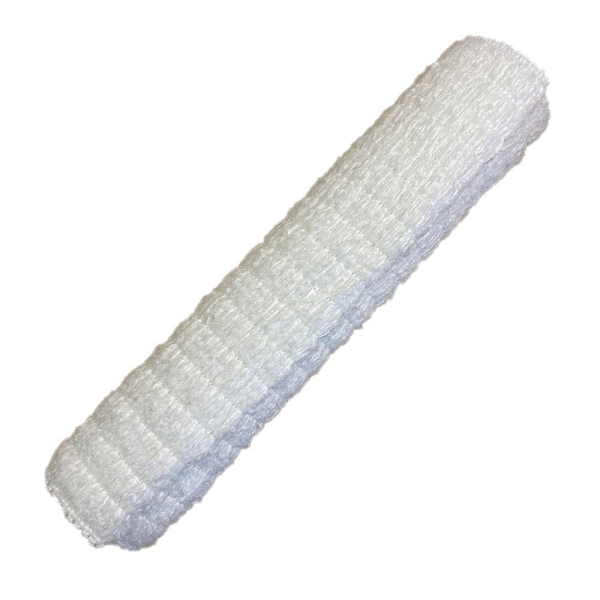
| Enchimento contido para montagem repetida ou peças de reposição embaladas | Meia de enchimento de silenciador de fibra de vidro com bolsa de malha de vidro tecida | Folga do núcleo, tamanho final, peso do enchimento e construção da malha |
| Contenção de enchimento adicional onde especificado pelo projeto do silenciador | Tela de exaustão de aço inoxidável para retenção de enchimento de silenciador | Posição da tela, sobreposição, folgas e compatibilidade com a montagem existente |
Em um escapamento de motocicleta de dois tempos típico que permite reenchimento, o enchimento fibroso envolve um tubo perfurado dentro do silenciador traseiro. A passagem principal de exaustão permanece aberta. Este é um componente e uma função diferentes da câmara de expansão a montante.
Uma solicitação para enchimento de exaustão de 2 tempos deve, portanto, identificar o silenciador real, incluindo qualquer substituição de mercado paralelo. O modelo da motocicleta e a capacidade do motor por si só não são suficientes para confirmar o tamanho do enchimento. Não coloque enchimento dentro da passagem do núcleo nem o use para alterar a geometria da câmara de expansão.
O resíduo de óleo pode saturar o enchimento do silenciador de dois tempos, enquanto a água que entra na saída durante a lavagem introduz outra preocupação de manutenção. Uma fibra resistente ao calor não é automaticamente imune à contaminação. Siga as orientações de inspeção e substituição do fabricante do escapamento em vez de tratar um intervalo de serviço como adequado para todas as motocicletas.
Substituir o enchimento contaminado não diagnostica a origem de um escapamento oleoso. Mantenha as configurações de combustível e lubrificação dentro das instruções do fabricante do motor; não as altere apenas para prolongar a vida útil do enchimento.
Onde a inspeção identifica migração ou erosão do enchimento, revise o arranjo de retenção, bem como a fibra. Projetos de silenciadores selecionados usam lã metálica perto do núcleo perfurado para proteger a fibra de vidro circundante, enquanto outras construções usam uma tela de retenção ou um componente de enchimento contido.
Estas são opções de projeto, não adições obrigatórias a todos os silenciadores de dois tempos. Preserve a sequência original das camadas, a menos que uma construção revisada tenha sido aprovada. Um retentor de enchimento não substitui um conjunto de supressor de faíscas.
Registre as dimensões do silenciador que está sendo usado. Um corpo encurtado, núcleo de substituição ou tampa final revisada altera o espaço disponível para o enchimento. Não presuma que um kit existente permaneça adequado após essas alterações.
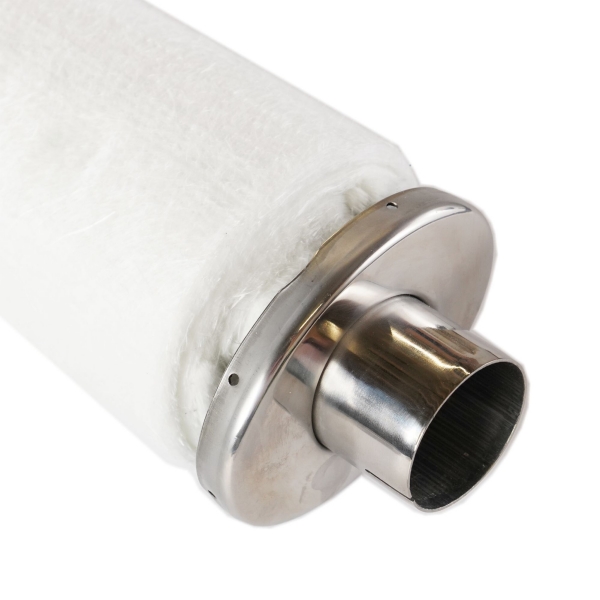
Use a massa de enchimento especificada pelo fabricante do silenciador ou o componente de substituição aprovado sempre que disponível. Ao desenvolver uma nova peça, calcule o volume de enchimento utilizável antes de concordar com um peso de enchimento de teste.
Para uma câmara de enchimento cilíndrica simples:
V = π × (D2 - d2) × L / 4000
Com as dimensões em milímetros, V é o volume de enchimento em centímetros cúbicos. D é o diâmetro interno da câmara de enchimento disponível, d é o diâmetro externo do núcleo ou de qualquer camada interna excluída dessa câmara, e L é o comprimento efetivo de enchimento.
Massa de enchimento em gramas = V × densidade instalada em g/cm3.
Este cálculo não estabelece a densidade correta. O alvo deve vir de uma especificação existente ou validação da aplicação. Subtraia o espaço ocupado por conexões de extremidade e outros componentes. Câmaras ovais, cônicas e irregulares exigem sua geometria interna real em vez da fórmula circular.
Distinga também o peso do enchimento de fibra do peso total do componente. Uma bolsa de malha, tela de retenção ou camada interna metálica adiciona massa, mas não faz parte do enchimento de fibra de vidro. O enchimento usado é uma referência não confiável para a quantidade original, pois pode ter perdido fibras ou acumulado óleo e depósitos.
Para pedidos repetidos, substitua descrições como "enchimento para uma 250" ou "um saco por silenciador" por uma especificação específica da peça.
| Campo de especificação | Informações a fornecer |
|---|---|
| Aplicação | Motocicleta de dois tempos, uso pretendido e fabricante do silenciador ou referência do desenho |
| Geometria interna | Diâmetro externo do núcleo, dimensões internas da carcaça e comprimento efetivo de enchimento |
| Material | Grau de fibra necessário, forma de enchimento e qualquer revestimento ou camada de retenção existente |
| Quantidade de enchimento | Massa de fibra seca especificada, densidade instalada ou componente de referência não utilizado |
| Condições de operação | Dados de temperatura disponíveis, ciclo de trabalho e problemas de serviço conhecidos |
| Ajuste e montagem | Método de inserção, folgas, dimensões de corte e tolerâncias acordadas |
| Requisito comercial | Quantidade de amostra, demanda recorrente, identificação da peça e formato da embalagem |
Indique se os valores de temperatura se referem aos gases de escape, ao local de enchimento ou à parte externa da carcaça. Essas medições não são intercambiáveis. Nem "2 tempos" nem "4 tempos" são uma classificação de temperatura de material.
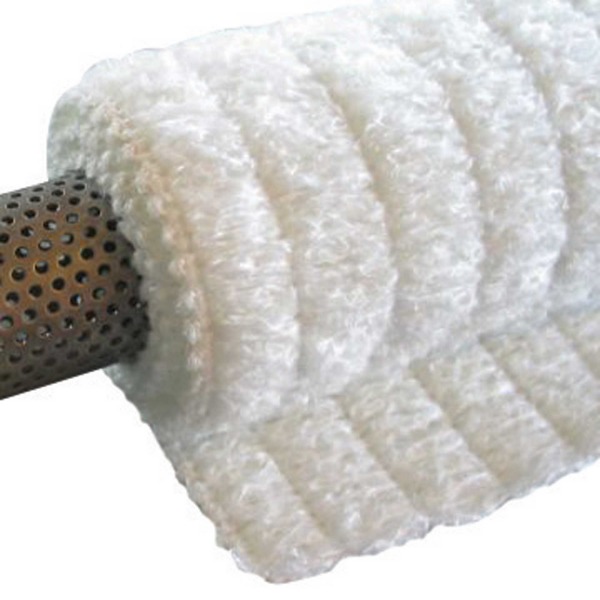
Para projetos que precisam de um componente definido em vez de fibra manuseada separadamente, a meia de enchimento BSTFLEX combina enchimento de fio de fibra de vidro com contenção de malha de vidro tecida. O diâmetro, comprimento, peso de enchimento e embalagem podem ser especificados para a aplicação.
Para um kit de enchimento de silenciador de 2 tempos, defina explicitamente o conteúdo fornecido. Um componente de substituição apenas de enchimento é diferente de um kit que contém uma tela de retenção, fixadores ou outras peças de serviço. A compatibilidade específica do modelo e as instruções de instalação devem corresponder à configuração do silenciador aprovada.
Forneça as informações de etiqueta pretendidas, quantidade por pacote e qualquer número de peça do cliente com a RFQ. As opções de fabricação e embalagem estão descritas em nossa página de fabricação de enchimento de silenciador OEM.
Para pedidos de desenvolvimento, use um registro de aprovação de amostra que cubra a instalação, bem como as dimensões. Registre a identificação do material, peso de enchimento seco, ajuste montado e qualquer dificuldade na inserção ou fechamento do silenciador.
Avalie o som sob um método de teste documentado e condição operacional. Inspecione a distribuição e a retenção do enchimento após o teste de serviço acordado. Uma descrição do material por si só não estabelece um resultado específico de redução de decibéis, vida útil ou conformidade do escapamento acabado.
Antes de repetir a produção, concorde com a revisão do desenho, limites de peso do componente, especificação da embalagem e verificações de aceitação. Isso dá tanto ao montador do escapamento quanto ao fornecedor do enchimento uma referência definida para pedidos subsequentes.
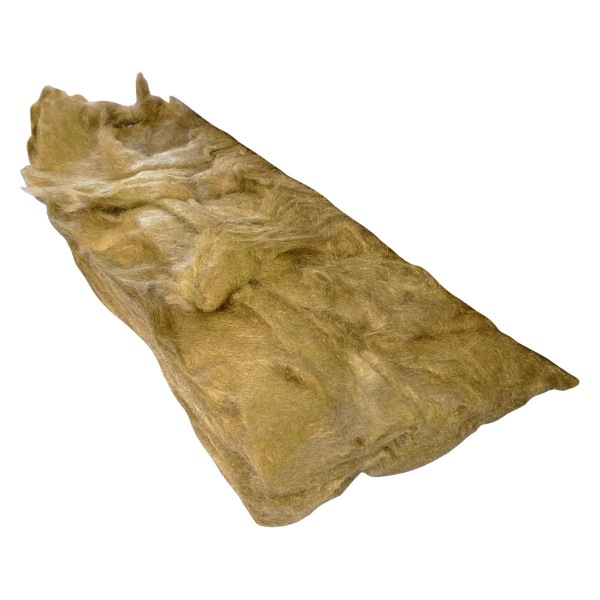
Comece com o material especificado para o silenciador. A fibra de vidro é uma opção de enchimento acústico disponível, mas a seleção deve incluir o grau da fibra, a forma de fornecimento, a quantidade de enchimento e a retenção. Um material não é automaticamente a melhor escolha porque seu limite de temperatura anunciado é mais alto.
Não presuma a intercambiabilidade a partir da etiqueta do ciclo do motor. Confirme o material de enchimento, as dimensões, a quantidade e o método de instalação com o fornecedor do escapamento ou do enchimento. A compatibilidade deve ser estabelecida para o silenciador específico.
Use a massa de enchimento especificada e o método de instalação. "O mais apertado possível" não é uma especificação controlada, e lacunas visíveis não substituem uma quantidade de enchimento aprovada. Para novos projetos, valide a densidade instalada em vez de selecioná-la pelo tato.
Siga as orientações do fabricante do escapamento e inspecione de acordo com o uso. As condições de pilotagem, horas de operação e contaminação afetam o requisito de manutenção. Uma mudança perceptível no som deve levar à inspeção, não a uma suposição automática de que o enchimento é a única causa.
Não. Uma tela de enchimento retém o material de enchimento. Um supressor de faíscas tem uma função e especificação de montagem separadas. Mantenha quaisquer componentes necessários de supressão de faíscas em sua configuração aprovada durante a manutenção.
Para uma cotação, envie o desenho do silenciador ou as dimensões internas, o material necessário e o peso de enchimento, se conhecido, fotografias de referência, quantidade de amostra e demanda de produção esperada. Informe se você precisa de material a granel, enchimento cortado, uma bolsa contida ou um componente de reposição embalado.
Discuta seu projeto de enchimento de silenciador de 2 tempos

No.10, Chuangxin North Road, Nanshan Park, Ningguo Economic and Technological Development Zone, Ningguo City, Anhui Province, China
telefone/Whatsapp : 0086-15856303740
o email : sales@bstbraidedsleeve.com
Skype : vanesa-cheng