ATV and UTV muffler packing should be selected from the silencer itself—not from vehicle displacement, body style or a generic “four-stroke packing” label. Two machines that look similar from the outside can use very different exhaust cores, packing depths and retention systems. One may need a cut fiberglass mat; another may use a packing pillow, a mesh-contained sock or a layered construction with stainless steel wool next to the perforated tube.
For replacement work, the safest starting point is the original exhaust specification or an unused reference component. For OEM production, the useful starting point is a cross-section showing the core, shell and space assigned to acoustic media. In both cases, the purchase order should identify the material, dry filling weight, dimensions and supply form.
BSTFLEX supplies muffler packing materials and components for powersports and performance exhaust systems, including loose fiber, mats, expanding sheets, packing pillows, fiberglass packing socks, stainless steel wool, retaining screens and private-label repacking kits.
Quick Answer: What Should Be Used in an ATV or UTV Muffler?
The correct product is the one that reproduces the approved internal construction.
Common options include:
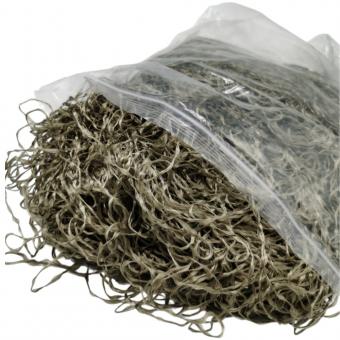
- fiberglass loose fill or continuous-fiber packing;
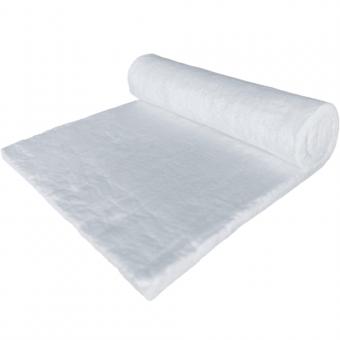
- fiberglass mat or sheet;
- a pre-weighed packing charge;
- a compressed packing pillow;
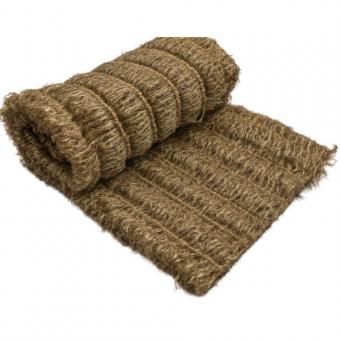
- a fiberglass packing sock with an outer woven mesh bag;
- stainless steel wool around the perforated core;
- a separate stainless retaining screen;
- basalt or ceramic fiber where that material has been approved;
- a complete model-specific or private-label repack kit.
Engine cycle helps describe the application, but it does not replace the internal dimensions and material specification.
Start by Identifying the Exhaust, Not Just the Vehicle
An ATV or side-by-side can be fitted with an original exhaust, a replacement canister, a racing silencer or a custom straight-through muffler. The same vehicle platform may therefore appear with several different packing requirements.
Before ordering ATV muffler packing or a UTV muffler repack kit, record:
- the exhaust or silencer part number, where available;
- whether the component is original, aftermarket or custom-built;
- perforated-core outside diameter;
- shell inside diameter or internal profile;
- effective packing length;
- existing fiber type;
- existing core-side wool or screen;
- the route used to insert the packed core;
- whether the end cap is riveted, bolted, clamped or welded.
A vehicle make and model can help identify the project, but it should not be the only fitment evidence used for a production order.
Confirm That the Muffler Uses Replaceable Acoustic Packing
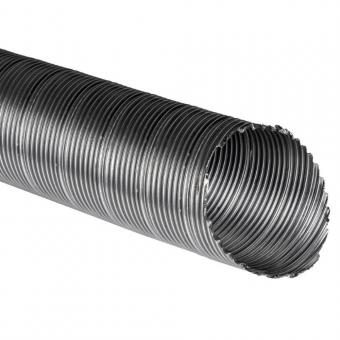
A serviceable straight-through silencer normally has a perforated tube surrounded by porous acoustic material. Sound energy passes through the perforations and interacts with the fiber in the surrounding cavity.
Not every exhaust canister is built this way. Chambered, reactive or sealed components may not contain a replaceable fibrous charge. Opening a sealed muffler simply because it has become louder can create a repair problem rather than solve one.
Useful evidence includes:
- an original service instruction;
- a cutaway drawing;
- an unused packing component;
- clear photographs taken during controlled disassembly;
- a production bill of materials.
2-Stroke and 4-Stroke Labels Are Only the First Filter
A two-stroke silencer and a four-stroke muffler often operate under different conditions, but the words “2-stroke” and “4-stroke” do not determine the required packing by themselves.
The specification still depends on:
- core diameter and perforated length;
- packing-cavity depth;
- fiber grade and form;
- dry packing weight;
- gas velocity and exhaust temperature;
- vibration and riding duty;
- metallic protection around the core;
- screen or cover used to retain the packing.
BSTFLEX maintains separate technical content for 2-stroke muffler packing and 4-stroke muffler packing. This page addresses the ATV/UTV application and the purchasing formats used to supply it.
Fiberglass Muffler Packing for ATV and UTV Exhausts
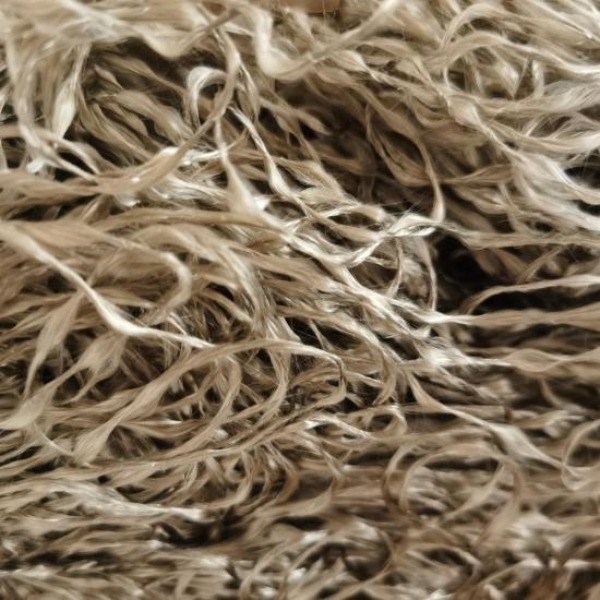
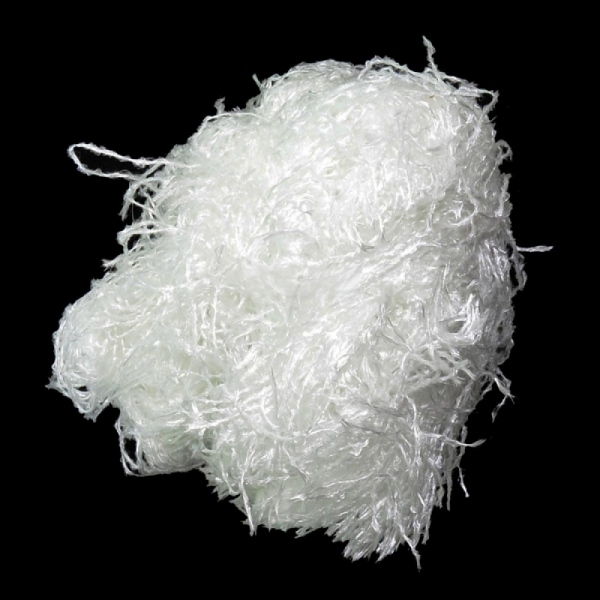
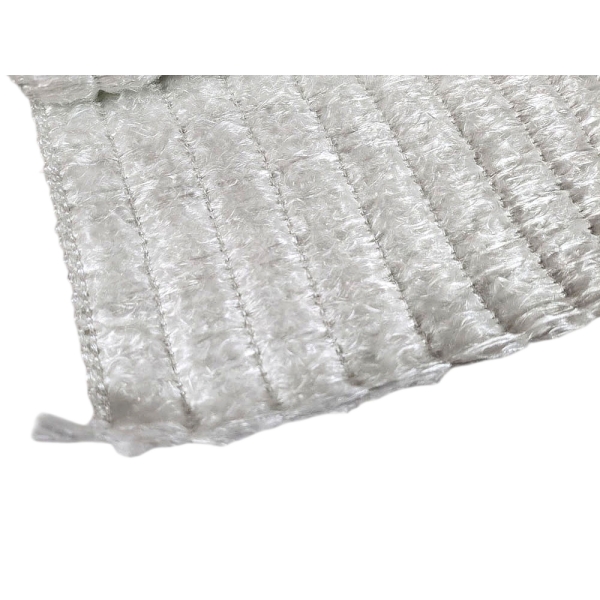
Fiberglass is a common acoustic-fiber direction for serviceable powersports silencers. The material can be supplied in several forms, and each form changes the work left for the installer or production line.
BSTFLEX fiberglass options include:
- Fiberglass Exhaust Muffler Packing;
- E-glass Exhaust Silencer Packing;
- Fiberglass Loose Fill Muffler Packing;
- Fiberglass Exhaust Silencer Packing Mat;
- Expanding Fiberglass Packing Sheet.
“Fiberglass packing” is not a complete purchasing description. The RFQ should still identify the glass grade, fiber construction, supply form, dry weight and dimensions.
Loose Fill, Mat, Sheet, Pillow or Sock?
| Supply Form | What Arrives | Work Remaining at Assembly | Main Control |
|---|---|---|---|
| Loose fiber | Bulk material or a pre-weighed charge | Distribute the fiber through the specified cavity | Dry filling weight and zone placement |
| Mat or sheet | A flat roll, sheet or cut piece | Wrap, overlap and insert the packed core | Areal weight, dimensions and piece weight |
| Expanding sheet | A compact stitched sheet | Install in the approved orientation and complete the initial heat-release process | Fiber weight, compressed dimensions and release specification |
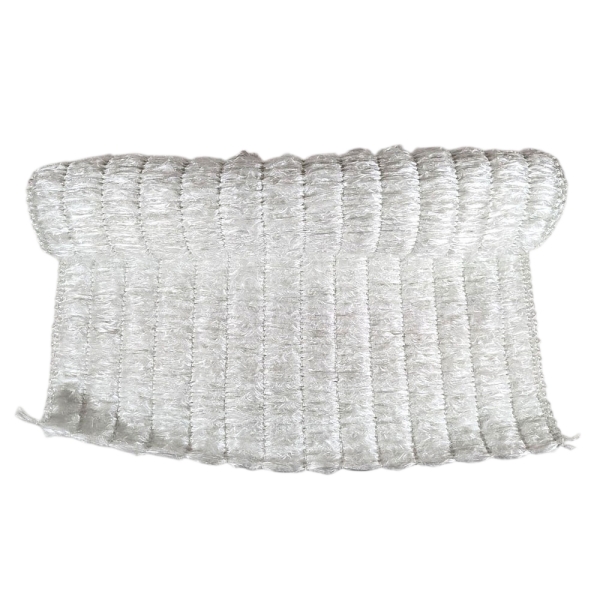
| Packing pillow | A compressed or contained packing component | Wrap or position the component according to its design | Filling weight, dimensions and supplied shape |
| Packing sock | A tubular mesh-contained fiber component | Position it around the correct core geometry | Diameter, length, filling weight and mesh construction |
The cleanest-looking component is not automatically the best technical choice. The selected format should fit the existing production or service method and preserve the approved amount of acoustic fiber.
ATV and UTV Muffler Packing Pillow
A muffler packing pillow can be useful where a defined fiber quantity should arrive as one manageable component. It may reduce line-side weighing and loose-fiber handling, particularly when the same silencer is assembled repeatedly.
The BSTFLEX Muffler Packing Pillow provides a product starting point for projects that require a compressed packing form.
For a useful quotation, provide:
- flat length and width;
- supplied thickness;
- dry filling weight;
- cover or containment construction;
- wrap direction;
- seam or closure position;
- the finished packed-core envelope.
A pillow described as universal may still require trimming or reshaping. For production programs, a part-specific component is easier to control than an operator-cut universal pack.
ATV and UTV Muffler Packing Sock
A fiberglass muffler packing sock contains the filling inside a woven fiberglass mesh bag. The tubular form is intended to keep the fiber organized and simplify positioning around a perforated core.
The BSTFLEX Fiberglass Muffler Packing Sock can be customized by diameter, length, filling weight, density and packaging.
The critical dimensions are not limited to the final core diameter. If the sock must pass over a collar, weld or enlarged inlet section during assembly, provide that maximum pass-over diameter as well.
For repeat OEM supply, specify:
- inside diameter or approved mandrel size;
- overall length;
- fiber-only filling weight;
- finished component weight;
- mesh construction;
- end closure;
- orientation and part identification.
Stainless Steel Wool Around the Perforated Core
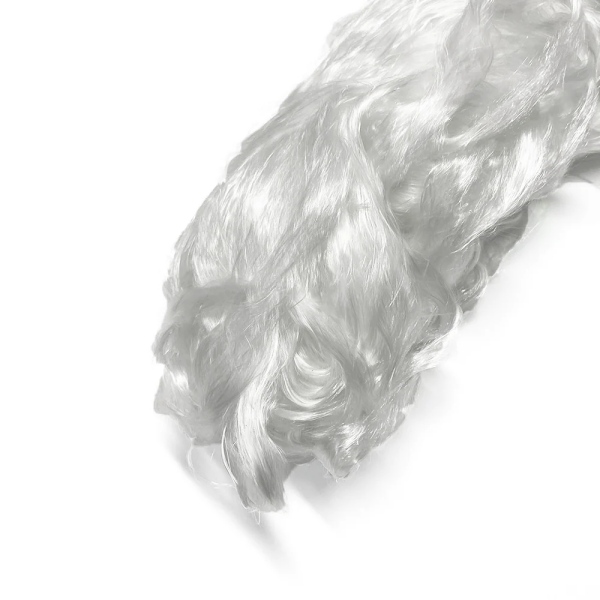
Some ATV and UTV mufflers use stainless steel wool beside the perforated tube before the main fiberglass layer. The metallic fiber can help protect the outer acoustic media from direct gas-side mechanical stress.
BSTFLEX supplies:
The wool should be treated as a separate bill-of-materials item. State the alloy, fiber grade, piece weight, coverage length, installed thickness and overlap. Do not copy the alloy of a supporting wire cloth into the wool specification unless the two materials have been verified separately.
Retaining Screen and Packing Blowout Control
A stainless screen can provide mechanical containment around a packing assembly. It is not the same material as stainless steel wool, and it does not replace the acoustic fiber.
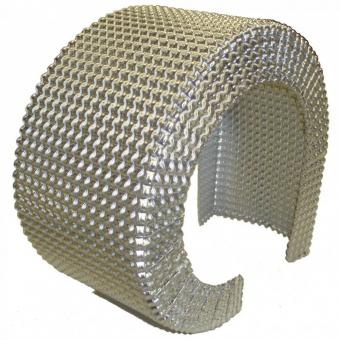
The BSTFLEX Stainless Steel Exhaust Screen is designed for muffler packing retention.
For a custom screen, identify:
- wire material and diameter;
- screen construction and layer count;
- finished width and length;
- edge treatment;
- overlap;
- location relative to the fiber and shell.
If packing fibers appear at the exhaust outlet, inspect the core, joints, wool and screen before deciding that the main fiber grade is the only problem.
Basalt and Ceramic Fiber Options
Fiberglass is not the only material that can be evaluated for a powersports silencer.
BSTFLEX supplies:
- Basalt Fiber Loose Fill Muffler Packing;
- Basalt Fiber Expanding Muffler Packing Sheet;
- Ceramic Fiber Muffler Packing Mat.
These products should be treated as material alternatives requiring their own approval—not as automatic upgrades based on a single temperature number. Compare the exact grade, supplied form, dry charge, handling requirements and complete-exhaust validation.
How Much ATV or UTV Muffler Packing Is Required?
Use the original dry filling weight whenever a valid specification is available.
For a simple cylindrical cavity around a centered circular core, theoretical volume can be estimated from:
V = π × (D2 - d2) × L / 4,000,000
with dimensions in millimeters, where:
- V is packing volume in liters;
- D is the inside diameter of the packing chamber;
- d is the outside diameter of the excluded inner envelope;
- L is effective packed length.
If stainless wool surrounds the core, use the installed outside envelope of that layer where appropriate. For oval or irregular silencers, calculate the actual cross-sectional packing area from the drawing rather than applying the circular formula.
When an installed density has already been validated:
Dry fiber charge = net packing volume × approved installed density.
The formula converts an approved density into a production weight. It does not select the correct density for a new muffler.
Why “Pack It Tight” Is Not a Production Specification
Operators are often told to install muffler packing tightly. That instruction is too subjective for repeat production.
Too little material can leave voids and permit movement. Excessive compression can change the fiber structure and make the packed core difficult to insert.
Use one of the following controls instead:
- a target dry fiber weight;
- a defined mat areal weight and cut size;
- a pre-weighed charge;
- a specified pillow or sock component;
- a validated installed density.
The same control should appear on the sample record, work instruction and incoming-inspection plan.
Universal Repack Kits vs Model-Specific Kits
| Kit Type | What It Offers | What Must Be Controlled |
|---|---|---|
| Universal kit | One material pack can be adapted to several service applications | Actual charge used, permitted trimming and compatibility with the silencer |
| Exhaust-specific replacement kit | Material and hardware prepared for a defined silencer part | Part number, revision, included components and fitment evidence |
| OEM production kit | A controlled bill of materials supplied to an exhaust assembly line | Drawings, tolerances, lot traceability and production packaging |
| Private-label kit | Approved contents supplied in customer-branded packaging | Artwork, claims, barcode, languages, carton quantity and change control |
The BSTFLEX Muffler Repacking Kit provides a starting point for multi-component kits. The final bill of materials should match the customer's silencer rather than a generic ATV or UTV label.
What Can Be Included in a Repack Kit?
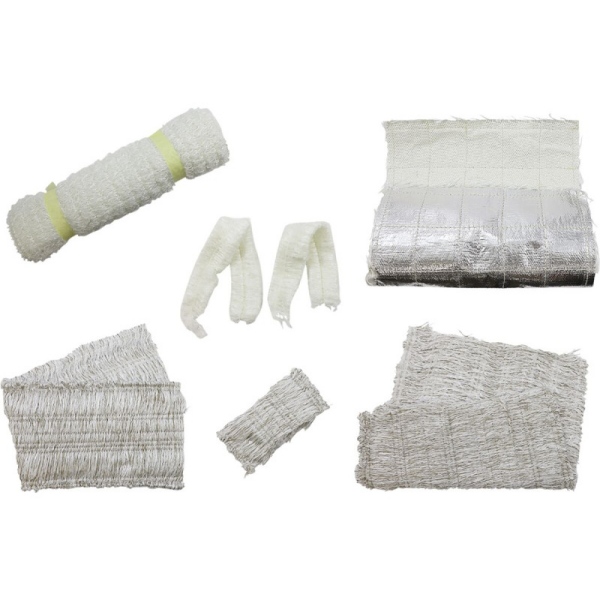
A complete kit can contain:
- fiberglass, basalt or ceramic packing;
- stainless steel wool;
- a retaining screen;
- a packing pillow or sock;
- specified fasteners;
- part labels;
- installation instructions;
- private-label packaging.
Not every muffler needs every item. Each component should have a defined function and a controlled quantity.
Used Packing Is Evidence, Not a Reliable Original Weight
Removed packing can help identify the original material form, but its measured weight may be misleading.
During service, the material may lose fiber or gain:
- soot;
- oil;
- moisture;
- fuel-related deposits;
- foreign debris.
Record the used weight, condition and location of damage, but avoid using that number as the automatic target for a replacement charge. An unused reference component or production record is more reliable.
Signs That the Packing System Needs Investigation
A louder exhaust is one possible symptom, but it is not the only one.
Inspection may be justified when there is:
- visible fiber at the outlet;
- a change in exhaust note from the approved baseline;
- packing movement inside a serviceable canister;
- damage around the end cap;
- burned or missing fiber beside the core;
- failed steel wool or retaining screen;
- unexpected contamination;
- a loose or damaged perforated tube.
Find the failure location before choosing a different material. Replacing the fiber without correcting a damaged core or retention layer can reproduce the same problem.
OEM and Private-Label Supply
For exhaust manufacturers and distributors, ATV and UTV packing can be supplied as raw material, a converted component or a finished retail kit.
Custom options can include:
- pre-weighed fiber charges;
- cut mats and expanding sheets;
- custom-diameter packing socks;
- packing pillows;
- stainless wool pads or core sleeves;
- custom retaining screens;
- part-number labels and barcodes;
- individual bags or retail boxes;
- multilingual instructions;
- master-carton and pallet quantities.
BSTFLEX reviews drawing- and sample-based projects through the OEM Muffler Packing Manufacturing Service.
What a Useful ATV or UTV Packing RFQ Looks Like
| RFQ Field | Information to Provide |
|---|---|
| Vehicle application | ATV, UTV or side-by-side; include engine and model information where relevant |
| Exhaust identification | Original, replacement or custom silencer; part number if available |
| Core geometry | Outside diameter, perforated length and enlarged fittings |
| Shell geometry | Inside diameter or internal profile and insertion route |
| Existing material | Fiberglass, basalt, ceramic, stainless wool, composite or unknown |
| Filling quantity | Approved dry weight, density or development requirement |
| Retention system | Core wool, sleeve, screen, mesh bag or another layer |
| Supply form | Loose fill, mat, expanding sheet, pillow, sock or complete kit |
| Operating conditions | Temperature information, measurement location, vibration and riding duty |
| Commercial requirement | Prototype quantity, annual volume, labels and packaging |
Frequently Asked Questions
What is the best ATV muffler packing?
The best choice is the material and supply form approved for the actual silencer. Fiberglass is common, while stainless steel wool, basalt, ceramic fiber, pillows and socks can be used where the design calls for them.
Is UTV muffler packing different from motorcycle muffler packing?
The same material families can be used, but the filling weight, dimensions and retention structure belong to the specific exhaust. A motorcycle specification should not be copied automatically to a UTV muffler.
Can the same repack kit fit several ATV or UTV models?
A universal kit may serve several applications when the installer measures and uses the correct quantity. A model-specific kit needs fitment evidence for the actual exhaust part, not only the vehicle name.
Should stainless steel wool be wrapped around the perforated core?
Only where the approved construction uses it. Stainless steel wool can protect the main fiber near the core, but it is not mandatory in every muffler.
How much packing should be installed?
Use the original dry charge or validated installed density. Do not install the entire retail package unless that package is specifically approved as one complete charge.
Is a packing pillow better than loose fiberglass?
A pillow can improve handling and weight control for repeat assembly. Loose fiberglass remains useful where the factory has a controlled weighing and filling process. The silencer and production method determine the better format.
Can BSTFLEX produce custom ATV and UTV repack kits?
BSTFLEX can review custom material combinations, pre-weighed charges, pillows, socks, metallic components, labels and private packaging based on drawings, samples or approved specifications.
Can used muffler packing be weighed to determine the replacement amount?
Used weight is only a reference because fiber loss, soot, oil and moisture can change the mass. Use an original specification or unused component where possible.
Request ATV or UTV Muffler Packing
Send BSTFLEX the silencer drawing or internal measurements, existing material, dry filling weight and preferred supply format. For a private-label kit, include the required bill of materials, artwork, labels and annual demand.
Browse the complete BSTFLEX Muffler Packing range for fiberglass, basalt, ceramic fiber, stainless steel wool, expanding sheets, pillows, socks and retaining components.
Request ATV and UTV Muffler Packing Samples and an OEM Quote