O que você está procurando?
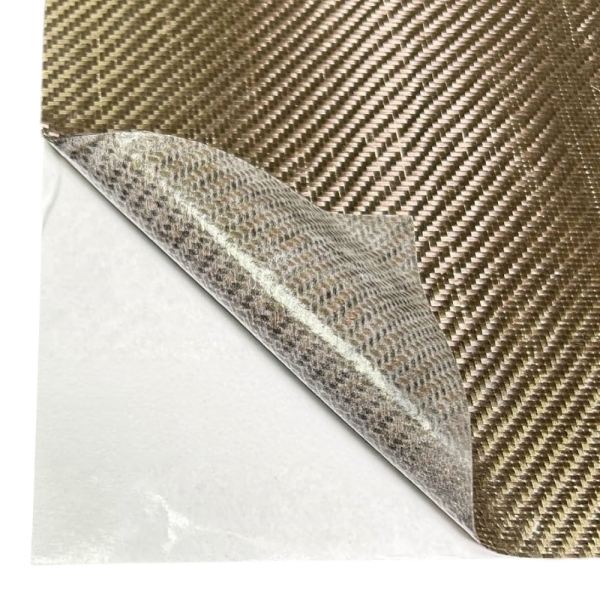
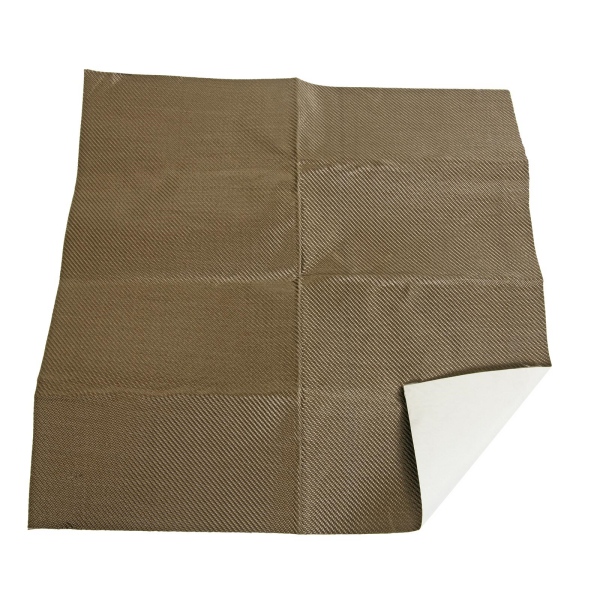
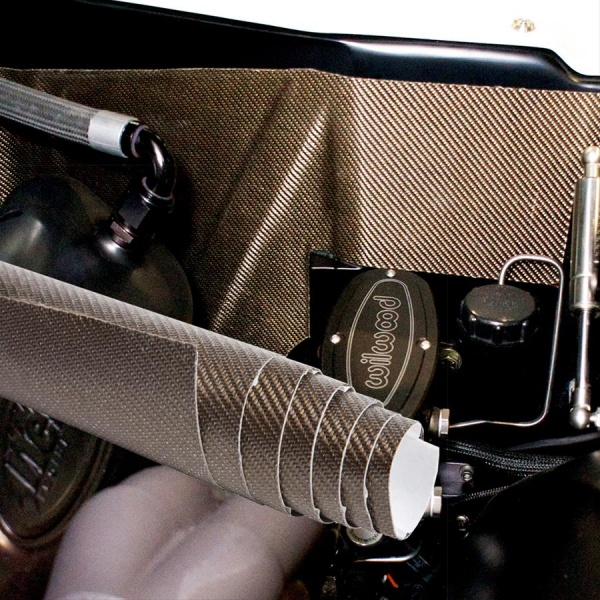
A LAVA heat shield mat is a volcanic-rock-fiber textile with adhesive backing, used as a thermal barrier on suitable panels and surfaces. It offers a different material construction from an aluminum-faced sheet. The woven appearance is not evidence that the material is carbon fiber, and the name alone does not establish the temperature limit of the adhesive.
For a vehicle panel near a hot exhaust component, the important question is often what happens when the vehicle stops. A material that meets the temperature target with strong airflow still needs to be checked during low-speed operation and after shutdown. This is a useful starting point for evaluating the BSTFLEX LAVA heat shield mat.
Heat soak describes the continued movement of stored heat through an assembly after its operating conditions change. Following engine shutdown, hot exhaust and engine components can continue transferring heat to nearby air and surfaces. Some receiving parts may reach their highest temperature after the engine has stopped rather than during the preceding drive.
The result depends on the vehicle. Cooling fans may continue running, stop immediately or operate intermittently. Hood position, surrounding air and the length of the preceding loaded operation also affect the conditions. Record these details instead of treating engine-off as one universal test case.
A low-airflow heat barrier should therefore be assessed across the relevant operating cycle. Insulation can reduce or delay heat transfer, but it is not an active cooling device. It cannot replace a required cooling-air path or guarantee that a self-heating component will run cooler when covered.
The BSTFLEX construction uses volcanic rock fiber rather than the aramid, fiberglass or silica substrates found in other barrier products. Its exposed textile appearance differs from a continuous metallic foil face. Request the finished thickness, material weight, backing specification and available supply format for the version being considered.
Keep appearance and function separate. A carbon-fiber-style weave does not make the mat a structural composite panel. Likewise, a textile surface does not establish a particular reflectance value, resistance to every engine fluid or suitability for electrical insulation. Those properties need their own specifications when the application requires them.
The practical comparison is between complete materials in the same installation. Use the same protected area and thermal target, and document differences in thickness, clearance and attachment. A change in several variables should not be reported as a result caused by the fiber alone.
An airbox beside a manifold or turbocharger can receive heat through its outer wall. A local barrier can be evaluated on the wall facing that source, provided the surface and available clearance suit the material. Keep intake openings, drains, clips and service joints functional.
Separate housing temperature from intake-air temperature. A cooler patch of plastic or metal is not proof of cooler air reaching the engine. Where intake-air temperature is the objective, measure it under the relevant operating conditions rather than inferring it from the appearance or surface temperature of the shield.
For a cover over a vehicle engine compartment, map the area exposed to nearby hot components. Check the material on the heat-facing side while preserving the cover's seals, attachment points and maintenance access. Specify the permitted temperature at the receiving panel, not simply a general requirement to reduce engine-bay heat.
The cover must remain serviceable after the mat is fitted. Keep the barrier from spanning removable joints, and assess clearance with the cover fully installed. Material approval should include the actual panel finish and the expected removal and refitting process.
A small area behind exhaust routing may need a different treatment from the rest of a bulkhead. Define the affected zone before covering the entire panel. Check whether heat arrives mainly by radiation, by hot air passing through an opening or through a conducting bracket.
A sheet barrier does not repair a damaged seal or remove a thermal bridge through mounting hardware. Identifying the path first helps determine whether a LAVA mat, another barrier construction or a change to the surrounding assembly should be evaluated.
There is no defensible universal winner based only on the material names. A reflective metal facing primarily addresses incident radiation; the performance of the finished barrier also depends on its other layers and installation. A volcanic-rock-fiber mat should be compared on the same protected-side temperature requirement, not assumed to outperform every metallic sheet whenever airflow is low.
Distinguish three situations. Where a hot surface radiates toward a panel, evaluate coverage and the complete barrier's response to that exposure. Where hot air surrounds the panel, include air temperature and circulation. Where the protected component generates its own heat, check that added insulation does not obstruct its intended heat rejection.
Use the BSTFLEX heat barrier materials range to select comparison samples. Specify the exact constructions rather than requesting an undefined silver sheet as the reference. Keep any claim about improved performance limited to the tested arrangement.
The LAVA product listing includes sheet formats such as 12 × 24 in, 24 × 24 in, 24 × 48 in and 36 × 58 in, as well as a roll format. These are catalog references, not a statement of current stock or an exclusive list of custom options. Confirm dimensions, backing and availability with the quotation.
Make a pattern of the actual coverage area, including openings and panel curvature. Check how it fits within the proposed sheet width before ordering. Total area alone can be misleading: a long, narrow part may not fit a square sheet with the same area, and rotating a shape may be restricted by the approved material orientation.
For repeated parts, compare rectangular blanks with converted outlines. BSTFLEX can review the feasibility of the chosen LAVA construction through its custom die-cut heat reflective mat service. Approve the material and cut pattern together rather than assuming a drawing validated in a different laminate transfers unchanged.
Ask for the adhesive's allowable service conditions independently of the fiber's thermal capability. The relevant temperature is at the interface between the mat and the receiving panel, including any peak after shutdown. A temperature associated with the hot source is not the same measurement.
Trial the bond on the actual painted metal, plastic or composite finish. Surface condition, application pressure and the specified time before service matter. Do not assume initial tack demonstrates long-term attachment, or that a rough surface will behave like a smooth test panel. Follow the backing's specific application instructions.
For the detailed bonding questions, use the peel and stick heat shield adhesive guide. The additional check for this project is attachment during the complete low-airflow and shutdown cycle, not only during normal running.
Choose fixed measurement locations on the receiving panel and define the operating sequence before comparing materials. Keep starting conditions, load, ambient conditions and airflow reasonably consistent. Record any fan run-on strategy and leave the hood or access cover in its normal position unless a different condition is deliberately being tested.
| Part of the cycle | What to record | Why it matters |
|---|---|---|
| Loaded operation | The agreed load and duration, source condition, receiving-panel temperature and airflow. | Establishes the thermal condition before the vehicle slows or stops. |
| Low-speed or stationary running | Panel temperature, local air temperature and fan operation where relevant. | Checks the installation when vehicle-motion airflow is reduced. |
| Shutdown and cooldown | The temperature history, highest receiving-panel temperature, time of that peak and attachment condition. | Shows whether the critical exposure occurs after the preceding running test has ended. |
Continue recording through the relevant temperature peak and cooling period rather than selecting a convenient early reading. A material that delays the peak and a material that reduces it have different effects; identify which result the application needs. Repeat the sequence as required by the agreed validation plan.
Inspect the edges, backing and fit after exposure. Include expected vibration and contamination in the durability review. Do not attach a guaranteed temperature reduction to the LAVA material name without a defined test and measured result.
A useful inquiry states the location, heat source, receiving surface and operating cycle. Add the maximum permitted temperature at the protected location, available thickness, minimum clearance and any fluid or abrasion exposure. Identify unknown values as development requirements rather than approved figures.
For example: We need a bonded barrier on the exhaust-facing wall of an airbox. Please review the attached coverage pattern and panel finish. Our acceptance test includes loaded operation, stationary running and the post-shutdown temperature peak. Quote samples separately from production sheets or converted parts.
This is an illustrative inquiry, not a claim about an existing tested installation. It gives the supplier a specific application to review and a basis for choosing samples. Broader sheet, roll and OEM supply requirements can be discussed through our heat barrier material manufacturing and OEM supply services.
The BSTFLEX product is made from volcanic rock fiber. A similar-looking weave does not make it a carbon-fiber laminate or establish structural properties. Specify the actual material rather than ordering by visual appearance.
No. Low airflow and direct contact are different conditions. Do not press a panel-mounted adhesive barrier against a hot exhaust component. Direct-contact use requires a construction and attachment system specifically approved for that exposure.
Not automatically. Cover the area identified by the thermal assessment while preserving cooling, drainage and service functions. A component that generates heat may need exposed surfaces to release it, so full wrapping can create a different problem.
Use the listed sheet and roll formats as a starting point. Submit a drawing for custom cutting review, with the required backing, dimensions and quantity. Final supply format and converting feasibility are confirmed for the selected construction.
Send your LAVA heat shield mat application to BSTFLEX with the panel layout, operating cycle and temperature target. Start with the adhesive-backed volcanic rock fiber heat shield mat when selecting samples for a local panel barrier.

No.10, Chuangxin North Road, Nanshan Park, Ningguo Economic and Technological Development Zone, Ningguo City, Anhui Province, China
telefone/Whatsapp : 0086-15856303740
o email : sales@bstbraidedsleeve.com
Skype : vanesa-cheng