Dutos isolados para aquecedor a diesel: Como reduzir a perda de calor em vans, trailers e barcos
Dutos isolados para aquecedor a diesel são usados para transferir ar quente de um aquecedor a diesel, reduzindo a perda de calor ao longo do trajeto do duto. Em vans, trailers, barcos e cabines de caminhões, o ar quente frequentemente passa por painéis frios, cavidades no piso, espaços sob os assentos, compartimentos de armazenamento ou estruturas de cabines marítimas antes de chegar à saída. Se o duto não estiver protegido, parte do calor pode ser perdida antes de atingir a área de convivência ou de trabalho.
Dutos isolados são especialmente úteis quando o aquecedor é montado longe da cabine principal, quando o trajeto do duto é longo, quando a mangueira passa por compartimentos frios ou quando é necessária uma melhor eficiência de aquecimento. Os compradores podem pesquisar por isolamento de duto de aquecedor a diesel, manga de isolamento de duto de aquecedor, duto de ar quente isolado, dutos APK isolados, isolamento de duto de ar quente ou redução de perda de calor em duto de aquecedor a diesel.
A BSTFLEX fornece dutos isolados para aquecedor a diesel, dutos de ar quente APK, dutos de ar quente PAP e produtos de tubos de proteção térmica para vans, trailers, barcos, caravanas, caminhões, sistemas de aquecimento marítimo e projetos de dutos de ar quente OEM.
O que são dutos isolados para aquecedor a diesel?
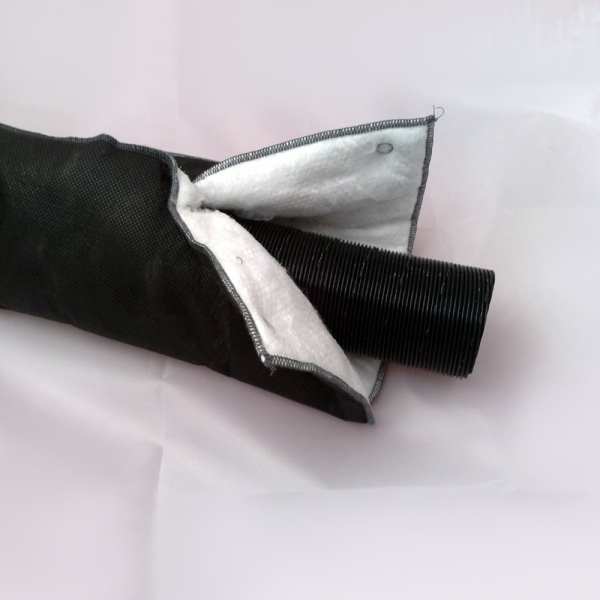
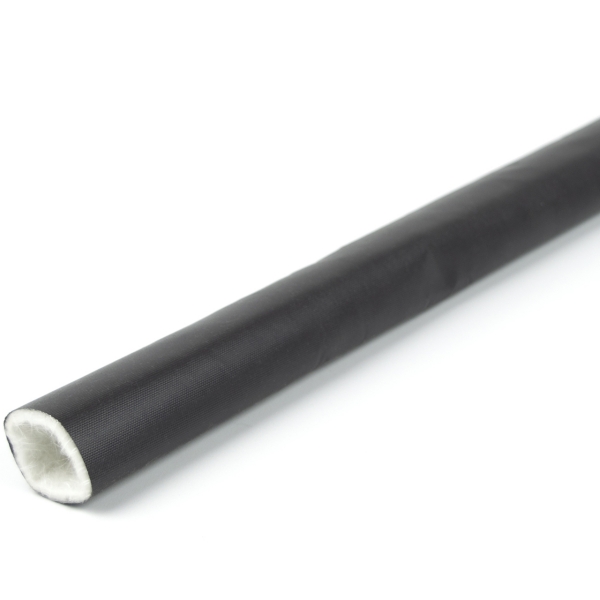
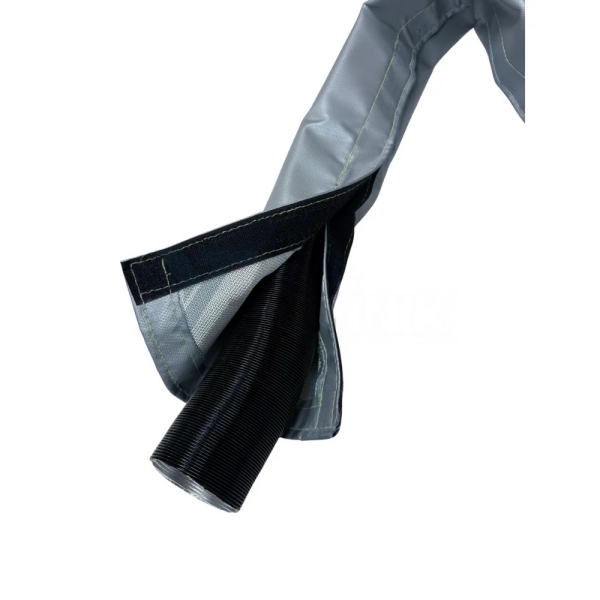
Dutos isolados para aquecedor a diesel são mangueiras de duto de ar quente com uma camada de isolamento adicional ou uma manga de isolamento externa. O duto base pode ser um duto de ar quente APK, duto de ar quente PAP, duto de folha de alumínio ou outra estrutura de duto de ar flexível. A camada de isolamento ajuda a reduzir a perda de calor à medida que o ar quente viaja da saída do aquecedor até a saída da cabine.
O isolamento pode ser embutido na parede do duto ou fornecido como uma manga de isolamento de duto de aquecedor separada. Uma estrutura de duto pré-isolada é adequada quando o comprador deseja um produto integrado e acabado. Uma manga de isolamento separada é útil quando o instalador deseja cobrir apenas seções específicas do duto.
Este produto funciona no lado da saída de ar quente de um sistema de aquecedor a diesel. Não é um tubo de escape, não é uma mangueira de entrada de ar de combustão e não é uma linha de combustível. É usado para transferência de ar da cabine, aquecimento de conforto e distribuição de ar quente.
Por que a perda de calor ocorre nos dutos de aquecedor a diesel
O ar quente perde calor quando passa por trajetos frios ou não isolados. Em vans e trailers, o duto pode passar perto de painéis metálicos, cavidades no piso ou áreas de armazenamento não aquecidas. Em barcos, o duto pode passar por espaços frios do casco, compartimentos ou painéis internos. Trajetos de dutos mais longos criam mais área de superfície para transferência de calor, o que pode reduzir a temperatura de saída.
A perda de calor é mais provável quando:
- O aquecedor é instalado longe da saída principal de ar quente.
- O trajeto do duto passa por compartimentos frios ou não aquecidos.
- A mangueira de ar quente é instalada contra painéis metálicos da carroceria ou superfícies frias.
- O duto é longo, ramificado ou roteado através de múltiplas cavidades.
- O veículo, trailer ou barco opera em ambientes de baixa temperatura.
- O comprador deseja uma melhor entrega de ar quente na saída final.
Duto isolado vs. duto de ar quente APK padrão
O duto de ar quente APK padrão é adequado para muitas instalações de aquecedores a diesel. No entanto, quando o trajeto do duto é longo ou exposto a ambientes frios, o duto APK isolado ou uma manga de isolamento para duto de aquecedor pode melhorar a retenção de calor ao longo do percurso.
| Ponto de comparação | Duto de ar quente APK padrão | Duto isolado para aquecedor a diesel |
|---|---|---|
| Função principal | Transfere o ar quente da saída do aquecedor para a saída da cabine | Transfere o ar quente reduzindo a perda de calor ao longo do percurso do duto |
| Estrutura típica | Duto flexível composto com camadas de alumínio, papel e filme | Duto flexível mais camada de isolamento ou manga de isolamento externa |
| Melhor uso | Trajetos de dutos curtos a médios e instalações normais em cabines | Trajetos longos, compartimentos frios, cavidades no piso, barcos, RVs e veículos de uso no inverno |
| Principais termos de busca dos compradores | duto de ar quente APK, duto para aquecedor a diesel, mangueira de duto de aquecedor | duto isolado para aquecedor a diesel, manga de isolamento para duto de aquecedor, duto de ar quente isolado |
| Opções personalizadas | Diâmetro, comprimento, cor, comprimento de corte e embalagem | Diâmetro, comprimento, espessura do isolamento, camada externa, comprimento de corte e embalagem |
Duto pré-isolado vs. manga de isolamento para duto de aquecedor
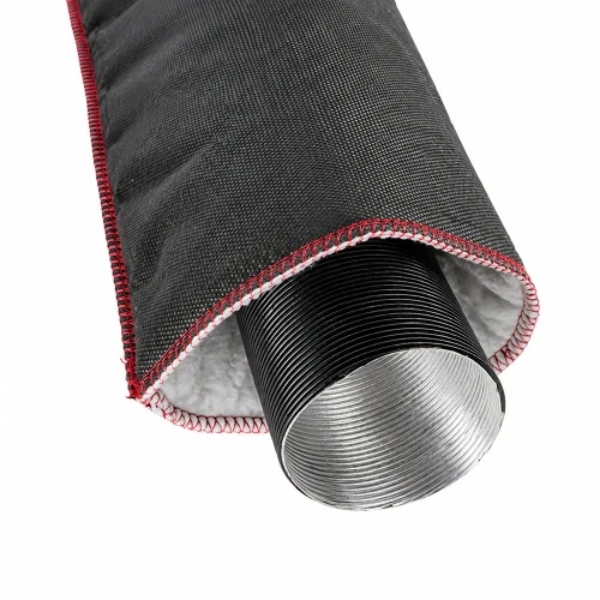
Os compradores podem reduzir a perda de calor nos dutos de duas maneiras principais. Uma é usar um duto de ar quente pré-isolado. A outra é adicionar uma manga de isolamento para duto de aquecedor ao redor do duto padrão. Ambas as abordagens funcionam, mas a melhor escolha depende do método de instalação, do modelo de compra e de quanto do trajeto do duto precisa de isolamento.
| Opção | Descrição | Melhor para | Notas do comprador |
|---|---|---|---|
| Duto pré-isolado para aquecedor a diesel | Duto de ar quente fornecido com camada de isolamento integrada | Kits de aquecedor OEM, instalações repetidas e layouts de dutos fixos | Bom para produção consistente e embalagem limpa. |
| Manga de isolamento para duto de aquecedor | Manga de isolamento separada instalada sobre a mangueira do duto de ar quente existente | Trabalhos de readequação (retrofit), projetos de reparo e seções frias selecionadas de dutos | Útil quando apenas parte do trajeto do duto precisa de isolamento. |
| Duto APK isolado | Duto de ar quente APK combinado com camada de isolamento térmico | Furgões, RVs, barcos e sistemas de aquecedores visíveis ou semivisíveis | Combina a aparência do APK com uma melhor retenção de calor. |
| Duto de ar quente isolado personalizado | Duto projetado por diâmetro, isolamento, camada externa e comprimento | Projetos OEM, sistemas marítimos e instalações de aquecedores especiais | Melhor opção quando o comprador possui desenhos, amostras ou requisitos técnicos fixos. |
Tamanhos comuns para dutos isolados de aquecedor a diesel
O duto isolado para aquecedor a diesel é geralmente selecionado pelo diâmetro interno do caminho do ar. A camada de isolamento aumenta o diâmetro externo, portanto, os compradores devem confirmar tanto o diâmetro interno do duto de ar quanto o espaço de instalação disponível ao redor da mangueira.
| DI do duto de ar | Termos de pesquisa comuns | Uso típico | Nota de seleção |
|---|---|---|---|
| 50mm | Duto de aquecedor isolado de 50mm, isolamento de duto de aquecedor a diesel de 50mm | Sistemas de aquecimento compactos e rotas curtas de ar quente | Confirme o diâmetro externo do isolamento antes de passar por aberturas estreitas. |
| 60mm | Duto de aquecedor a diesel isolado de 60mm, manga de isolamento de duto de aquecedor de 60mm | Vans, pequenos trailers (RVs), cabines de barcos compactas e sistemas comuns de aquecedor a diesel | Um dos tamanhos mais comuns para instalações de aquecedores de reposição. |
| 75mm | Duto APK isolado de 75mm, isolamento de duto de aquecedor de 75mm | Trailers (RVs), caminhões, sistemas de aquecimento de vans maiores e cabines marítimas | Útil quando é necessário um maior volume de ar quente. |
| 80mm | Duto de ar quente isolado de 80mm, isolamento de duto de aquecedor de 80mm | Sistemas de ar quente de médio a grande porte e layouts com múltiplas saídas | Verifique o raio de curvatura e o diâmetro externo após o isolamento. |
| 90mm | Duto de aquecedor a diesel isolado de 90mm, isolamento de duto de ar quente de 90mm | Cabines grandes, barcos, trailers (RVs) e sistemas de alto volume de ar | Dutos isolados maiores precisam de mais espaço para instalação. |
| 100mm | Duto de aquecedor isolado de 100mm, duto de ar quente isolado de 100mm | Sistemas de aquecimento OEM de alto fluxo de ar e projetos especiais de transferência de ar quente | Confirme redutores, grades de saída e espaço de roteamento disponível antes da produção. |
Onde o duto isolado para aquecedor a diesel é usado
O duto isolado ajuda a preservar o ar quente quando a rota passa por baixo de pisos, atrás de painéis ou perto de seções frias da carroceria do veículo.
Rotas de dutos mais longas e múltiplas saídas podem se beneficiar do isolamento para melhorar a entrega de ar quente.
O duto do aquecedor de barcos geralmente passa por compartimentos frios, tornando o isolamento útil para manter o desempenho do aquecimento da cabine.
Dutos de ar quente isolados podem ajudar a melhorar o conforto em compartimentos de dormir e rotas de aquecedores auxiliares.
Comprimentos cortados pré-isolados podem ser embalados com kits de aquecedor para uma instalação consistente e fornecimento repetível.
Dutos isolados podem ser usados para aquecimento de equipamentos, compartimentos de geradores e distribuição de ar quente de baixa pressão.
Como escolher dutos isolados para aquecedor a diesel
Escolher o duto isolado correto requer mais informações do que a seleção de mangueiras de ar quente padrão. Além do diâmetro interno e do comprimento, os compradores devem considerar a espessura do isolamento, o diâmetro externo, a rota de curvatura e o espaço de instalação.
| Fator de seleção | O que confirmar | Direção recomendada |
|---|---|---|
| Diâmetro interno | Meça a saída do aquecedor, o redutor, a ventilação ou o DI do duto original | Escolha o tamanho correto do caminho do ar antes de decidir a estrutura do isolamento |
| Diâmetro externo | Verifique o diâmetro final após a adição do isolamento | Certifique-se de que ele possa passar por painéis, aberturas de piso e armários |
| Espessura do isolamento | Confirme quanta proteção térmica é necessária | Selecione de acordo com o comprimento da rota, exposição ao frio e espaço disponível |
| Comprimento da rota | Meça a distância total da saída do aquecedor até a saída final de ar quente | Rotas mais longas são candidatas mais fortes para dutos isolados |
| Rota de curvatura | Verifique curvas, voltas apertadas, painéis, móveis e anteparas | Use designs de isolamento flexíveis para instalações móveis compactas |
| Requisito de superfície | Determine se o duto ficará visível ou oculto | Use uma capa externa limpa ou superfície com acabamento para áreas visíveis |
| Formato de fornecimento | Rolo a granel, comprimento cortado, kit de aquecedor ou embalagem OEM | Confirme o método de embalagem antes da produção em massa |
Dutos isolados para vans
As vans geralmente têm aquecedores montados sob os assentos, sob o piso ou dentro de armários. Os dutos de ar quente podem precisar passar por cavidades frias antes de chegar à área de estar principal. Dutos isolados para aquecedor a diesel podem ajudar a reduzir a perda de calor quando a rota cruza seções não aquecidas do veículo.
- Use isolamento quando o duto passar por painéis de carroceria frios ou cavidades de piso.
- Confirme o diâmetro externo após o isolamento antes de passar por espaços apertados.
- Use dutos isolados cortados no comprimento para kits de conversão de van repetidos.
- Use dutos isolados baseados em APK quando uma superfície mais limpa for necessária.
Dutos isolados para trailers e caravanas
Trailers e caravanas podem usar rotas de dutos mais longas e múltiplas saídas de ar quente. Nesses sistemas, o isolamento do duto pode ajudar a preservar o calor antes que o ar chegue a saídas distantes. Isso é especialmente útil quando o duto passa por compartimentos de armazenamento ou rotas ao nível do piso.
- Use dutos isolados para rotas de ar quente mais longas.
- Confirme a compatibilidade do redutor, da grade de saída e do conector de derivação.
- Para sistemas de múltiplas saídas, verifique o equilíbrio do fluxo de ar antes de finalizar o tamanho do duto.
- Use comprimentos de corte fixos para kits de aquecedor OEM para RV e pacotes de reposição.
Dutos isolados para barcos
Os barcos geralmente possuem espaços de instalação confinados e frios. O duto de ar quente pode passar por compartimentos laterais do casco, sob beliches, atrás de painéis ou para cabines separadas. O duto isolado para aquecedor marítimo pode ajudar a reduzir a perda de calor e melhorar a entrega de ar quente nessas rotas.
- Use dutos isolados onde a mangueira passa por compartimentos marítimos frios.
- Verifique o espaço disponível, pois o isolamento aumenta o diâmetro externo.
- Use dutos flexíveis para rotas curvas e estreitas em cabines marítimas.
- Para o fornecimento de kits de aquecedor, defina o comprimento de corte e a embalagem antes da produção.
Opções de material e estrutura
O duto isolado para aquecedor a diesel pode ser feito com diferentes estruturas de duto base e isolamento. O design correto depende da retenção da temperatura alvo, flexibilidade, aparência da superfície e espaço de instalação.
| Estrutura | Descrição | Uso recomendado |
|---|---|---|
| Duto APK com manga de isolamento | Duto de ar quente APK coberto com uma manga de isolamento externa | Vans, RVs, cabines marítimas e instalações de aquecedores de retrofit |
| Duto APK pré-isolado | Estrutura integrada com duto APK e camada de isolamento | Kits de aquecedor OEM e projetos de produção repetida |
| Duto PAP com isolamento | Duto de ar quente de papel alumínio combinado com isolamento | Transferência econômica de ar quente isolado onde a aparência é menos crítica |
| Duto isolado de folha de alumínio | Duto reflexivo com camada de isolamento adicional | Roteamento compacto de ar quente e aplicações de proteção térmica |
| Duto isolado multicamadas personalizado | Estrutura de parede personalizada com isolamento e camada protetora externa | Sistemas OEM, roteamento especial e transferência industrial de ar quente |
Acessórios relacionados para dutos de aquecedor isolados
O duto isolado geralmente faz parte de um sistema completo de distribuição de ar do aquecedor. Os compradores devem confirmar se a instalação também precisa de braçadeiras, redutores, conectores de derivação, grades de saída e produtos de proteção térmica.
| Acessório | Função | Termos de pesquisa relacionados |
|---|---|---|
| Braçadeira de duto de aquecedor | Fixa o duto à saída do aquecedor, ventilação ou redutor | braçadeira de duto de aquecedor, braçadeira de duto de ar quente |
| Redutor de duto | Conecta dutos com diâmetros diferentes | redutor de duto de aquecedor, adaptador de duto de ar quente |
| Conector em Y | Divide o ar quente em várias rotas | ramificação em Y para dutos de aquecedor, divisor em Y para ar quente |
| Grade de Saída de Ar Quente | Controla a direção da saída para a cabine ou compartimento | grade de saída de ar quente, ventilação de saída de aquecedor a diesel |
| Tubo de Proteção Térmica | Protege fios, mangueiras ou dutos próximos contra calor radiante | tubo de proteção térmica aluminizado, tubo refletor de calor |
| Fita Refletora de Alumínio | Usada para vedação local, envolvimento ou proteção refletora | fita refletora de calor de alumínio, fita de alumínio adesiva |
Opções de Fabricação Personalizada
A BSTFLEX pode fabricar dutos isolados para aquecedores a diesel para distribuidores, fabricantes de kits de aquecedores, empresas de conversão de vans, fornecedores de RV, instaladores de aquecedores marítimos e projetos OEM. A produção personalizada pode ser baseada em desenhos, amostras, fotos de instalação ou requisitos técnicos.
- Diâmetro interno personalizado de acordo com o tamanho da saída do aquecedor, redutor ou ventilação.
- Controle personalizado da espessura do isolamento e do diâmetro externo.
- Dutos de base em APK, PAP, folha de alumínio ou composto personalizado.
- Fornecimento em rolos a granel para distribuidores e oficinas.
- Dutos cortados no comprimento para kits de instalação de aquecedores.
- Superfície externa preta, prateada, refletora ou personalizada.
- Marcação impressa, etiqueta OEM e embalagem privada.
- Produção em lote para vans, RVs, barcos e sistemas de aquecimento industrial.
Erros Comuns de Compra
Dutos de ar quente isolados exigem uma especificação mais cuidadosa do que mangueiras de duto de aquecedor padrão. O comprador deve confirmar tanto o tamanho do caminho do ar quanto o diâmetro externo isolado final.
- Especificar apenas o diâmetro externo:o duto do aquecedor deve ser selecionado primeiro pelo diâmetro interno do caminho do ar.
- Ignorar a espessura do isolamento:o isolamento aumenta o diâmetro externo e pode afetar o espaço de roteamento.
- Usar isolamento onde a folga é muito pequena:verifique painéis, armários e aberturas no piso antes de fazer o pedido.
- Confundir dutos de ar quente com isolamento de exaustão:o duto isolado do aquecedor é para ar quente da cabine, não para gases de exaustão.
- Não verificar os acessórios:redutores, braçadeiras e grades de saída devem corresponder ao tamanho do duto.
- Fazer o pedido sem fotos de roteamento:fotos de instalação ajudam a escolher a estrutura correta e o comprimento de corte.
Use Junto com Produtos Relacionados BSTFLEX
Dutos isolados para aquecedores a diesel podem ser usados com outros dutos de ar quente e produtos de proteção térmica para construir um sistema de gerenciamento térmico mais completo.
- Tubo de Proteção Térmica Aluminizado e Duto de Ar Quente para dutos APK isolados, dutos PAP, dutos de aquecedor a diesel e produtos de tubo de proteção térmica.
- Fabricante de dutos de ar quente APK para dutos APK personalizados, rolos a granel e mangueiras de duto de aquecedor OEM.
- Tamanhos de dutos para aquecedor a diesel para seleção de tamanhos de 50mm, 60mm, 75mm, 80mm, 90mm e 100mm.
- Tubo corrugado de folha de alumínio para roteamento flexível de ar e proteção de duto refletora de calor.
- Manga refletora de calor de fibra de vidro revestida de alumínio para proteção contra calor radiante ao redor de mangueiras, fios e tubos.
- Fita refletora de calor de alumínio com adesivo para envolvimento local, vedação e proteção térmica refletora.
Solicite dutos isolados para aquecedor a diesel
A BSTFLEX fornece dutos isolados para aquecedor a diesel, mangas de isolamento para dutos de aquecedor, dutos APK isolados, dutos de ar quente PAP e produtos de tubos de proteção térmica para vans, trailers, barcos, caminhões, kits de aquecedor e sistemas de ar quente OEM.
- Dutos de aquecedor isolados de 50mm, 60mm, 75mm, 80mm, 90mm e 100mm
- Controle personalizado de diâmetro interno e diâmetro externo final
- Espessura de isolamento personalizada e opções de camada externa
- Estruturas de dutos APK, PAP, folha de alumínio e papel alumínio
- Peças cortadas no comprimento, rolos a granel e embalagens para kits de aquecedor
- Etiqueta OEM, marcação impressa e embalagem privada disponíveis
Conclusão
Dutos isolados para aquecedor a diesel ajudam a reduzir a perda de calor quando o ar quente viaja por rotas de dutos frias ou longas em vans, trailers, barcos e caminhões. É especialmente útil para veículos de uso no inverno, sistemas de aquecimento marítimo, layouts de múltiplas saídas e kits de aquecedor OEM onde a entrega de ar quente é importante.
Para uma seleção precisa, os compradores devem confirmar o diâmetro interno, o diâmetro externo final após o isolamento, o comprimento do duto, a espessura do isolamento, a rota de curvatura, o requisito de superfície e o método de embalagem. A BSTFLEX pode fornecer dutos APK isolados, mangas de isolamento para dutos de aquecedor e dutos de ar quente personalizados para clientes de sistemas de aquecimento B2B.
Veja a série completa de produtos aqui: Produtos de dutos de ar quente e dutos isolados para aquecedor a diesel da BSTFLEX.
FAQ: Dutos isolados para aquecedor a diesel
O que são dutos isolados para aquecedor a diesel?
Dutos isolados para aquecedor a diesel são mangueiras de duto de ar quente com uma camada de isolamento ou manga de isolamento adicional. Eles ajudam a reduzir a perda de calor entre a saída do aquecedor e a saída final da cabine.
Quando devo usar isolamento de duto de aquecedor?
O isolamento de duto de aquecedor é útil quando a rota do duto é longa, passa por compartimentos frios, passa sob pisos ou painéis, ou precisa de melhor retenção de calor em vans, trailers, barcos ou caminhões.
Dutos de aquecedor isolados são o mesmo que isolamento de escapamento?
Não. Dutos de aquecedor isolados transferem ar quente da cabine a partir da saída do aquecedor. O isolamento de escapamento é usado para tubos de escapamento ou sistemas de gases de exaustão. São produtos diferentes e não devem ser intercambiados.
Dutos APK podem ser isolados?
Sim. Dutos de ar quente APK podem ser fornecidos com uma manga de isolamento ou produzidos como uma estrutura de duto isolado de acordo com a aplicação, diâmetro, espessura do isolamento e requisito de embalagem.
Quais tamanhos estão disponíveis para dutos isolados para aquecedor a diesel?
Os tamanhos comuns incluem 50mm, 60mm, 75mm, 80mm, 90mm e 100mm. Diâmetro interno e diâmetro externo final personalizados também podem ser fabricados de acordo com os requisitos do projeto.
Quais informações são necessárias para uma cotação?
Por favor, forneça o diâmetro interno, comprimento do duto, espessura do isolamento, diâmetro externo necessário, estrutura do material, requisito de superfície, quantidade, método de embalagem e fotos da instalação, se disponíveis.