O que você está procurando?
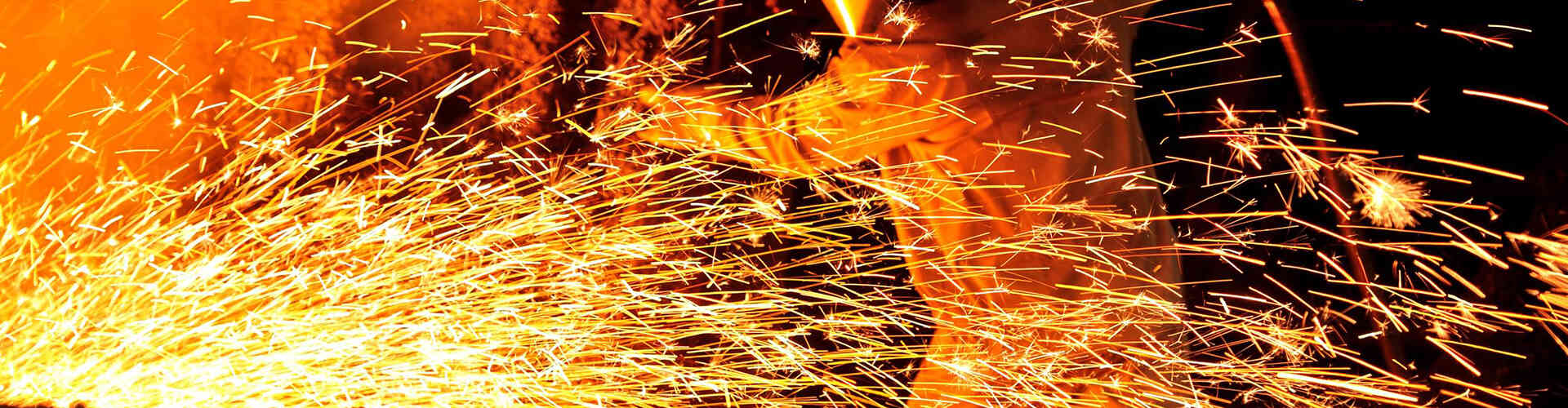
O melhor material de enchimento para silenciadores depende da temperatura do escape, da estrutura do silenciador, do nível de som desejado, da velocidade dos gases, da intensidade da vibração, do intervalo de manutenção e do método de instalação. Não existe um único material que seja o melhor para todos os sistemas de escape. Um silenciador de motocicleta para uso urbano, um silenciador de corrida, um escape de ATV, um sistema de escape marítimo e um silenciador automotivo OEM podem exigir estruturas de enchimento diferentes.
Na maioria dos silenciadores de escape, o enchimento do silenciador funciona como a camada interna de absorção sonora e resistência ao calor ao redor do núcleo perfurado. Quando os pulsos de escape passam pelos furos do núcleo, a energia sonora entra na área de enchimento e é absorvida pela fibra ou pela estrutura metálica. Um bom material de enchimento reduz ruídos agressivos do escape, controla o timbre, mantém uma contrapressão estável e ajuda a manter um desempenho consistente do escape ao longo do tempo.
Para compradores profissionais, a decisão do material não envolve apenas a redução de ruído. Ela também afeta o risco de garantia, a frequência de reenchimento, as reclamações dos clientes, a mão de obra de instalação, o custo de embalagem e a reputação da marca a longo prazo. Fabricantes de escapes, marcas de silenciadores de motocicletas, distribuidores, fornecedores de kits de reparo e compradores OEM devem selecionar o material de enchimento de acordo com as condições reais de funcionamento, em vez de escolher apenas pelo preço.
A BSTFLEX fornece materiais de enchimento para silenciadores de escape de motocicletas, sistemas de escape de alto desempenho, silenciadores de ATV e UTV, silenciadores automotivos, silenciadores de escape marítimos e conjuntos de escape industriais. Os produtos relacionados podem ser encontrados na categoria de Enchimento para Silenciadores, incluindo Meia de Enchimento para Silenciador de Fibra de Vidro com Saco de Malha de Vidro Trançada, Enchimento de Fibra de Vidro para Silenciador de Escape, e Enchimento de Fibra de Vidro para Silenciador de Escape.
Um bom material de enchimento para escape deve funcionar sob calor, vibração, pulsos de pressão e carga acústica ao mesmo tempo. Ele não deve se compactar rapidamente demais, sair pelos furos do núcleo perfurado, queimar sob alta temperatura ou criar uma densidade inconsistente dentro da câmara do silenciador.
O melhor material deve atender a cinco requisitos principais:
Para aplicações padrão, o enchimento de fibra de vidro para silenciadores costuma ser a escolha mais prática porque oferece absorção acústica eficiente e bom desempenho térmico a um custo razoável. Para sistemas de escape severos, lã de aço inoxidável ou tela de aço inoxidável podem ser adicionadas próximas ao núcleo perfurado para melhorar a resistência à expulsão. Para aplicações de temperatura muito elevada, a fibra cerâmica pode ser considerada quando o ambiente de operação excede a faixa prática da fibra de vidro padrão.
Os materiais de enchimento para silenciadores mais utilizados incluem fibra de vidro, lã de aço inoxidável, fibra cerâmica, fibra de basalto, estruturas de fios de fibra de vidro, tela de aço inoxidável e sistemas combinados de enchimento multicamada. Cada material possui uma função diferente dentro do silenciador de escape.
| Material | Principal Vantagem | Melhor Aplicação | Limitações |
|---|---|---|---|
| Enchimento de Fibra de Vidro para Silenciador | Forte absorção sonora e boa resistência ao calor | Silenciadores de motocicletas, escapes de ATV, silenciadores de UTV, reenchimento geral | Pode precisar de proteção em sistemas de escape de corrida ou com fluxo muito elevado |
| Lã de Aço Inoxidável | Alta resistência mecânica e resistência à expulsão | Proteção do núcleo interno, escapes de corrida, sistemas com alta vibração | Menor absorção acústica do que a fibra de vidro quando usada sozinha |
| Enchimento de Fibra Cerâmica | Excelente resistência a altas temperaturas | Aplicações com calor extremo, silenciadores industriais, sistemas de escape especiais | Custo mais elevado e pode exigir manuseio controlado |
| Enchimento de fibra de basalto | Boa estabilidade térmica e durabilidade | Aplicações de escape de temperatura média a alta | A aplicação depende do desempenho acústico necessário |
| Meia de enchimento de fibra de vidro | Instalação limpa e retenção controlada de fibras | Silenciadores OEM, kits de reenchimento, silenciadores de motocicleta | Deve ser dimensionado corretamente para corresponder ao corpo e ao núcleo do silenciador |
| Sistema de enchimento combinado | Equilibra absorção sonora e durabilidade | Escapes de alto desempenho, silenciadores de corrida, estruturas personalizadas OEM | Requer projeto correto das camadas |
A fibra de vidro é um dos materiais de enchimento de silenciadores mais utilizados porque oferece um forte equilíbrio entre absorção sonora, resistência ao calor, custo, disponibilidade e facilidade de instalação. É adequada para muitos sistemas de escape de motocicletas, silenciadores de reposição, silenciadores de ATV, escapes de UTV, silenciadores automotivos e aplicações gerais de reenchimento de escapes.
A estrutura fibrosa da fibra de vidro ajuda a absorver ondas sonoras do escape e reduzir ruídos agressivos. Quando instalada corretamente ao redor do núcleo perfurado, proporciona um tom de escape mais suave e melhor controle acústico. Também é leve, flexível e mais fácil de manusear do que materiais de enchimento metálicos.
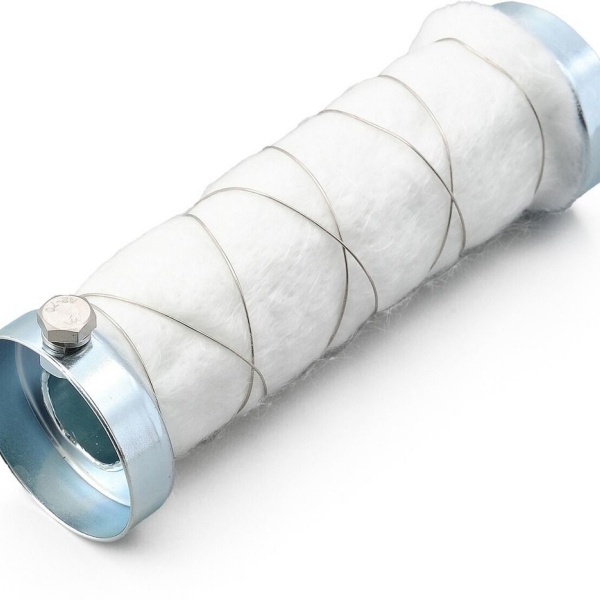
A fibra de vidro pode ser fornecida em diferentes formatos, incluindo fibra solta, manta, rolo, fio, saco ou meia. Para aplicações profissionais, uma estrutura contida costuma ser melhor do que fibra solta porque melhora a consistência da instalação. O Saco de malha de vidro tecido para enchimento de silenciador de fibra de vidroutiliza um saco externo de malha de fibra de vidro tecida e enchimento interno de fio de fibra de vidro. Essa estrutura ajuda a manter o material organizado, reduz o manuseio de fibras soltas e proporciona um enchimento mais consistente ao redor do núcleo do silenciador.
A fibra de vidro é a melhor escolha quando o principal objetivo é redução de ruído, reenchimento prático e desempenho estável em condições normais a moderadamente exigentes de escape.
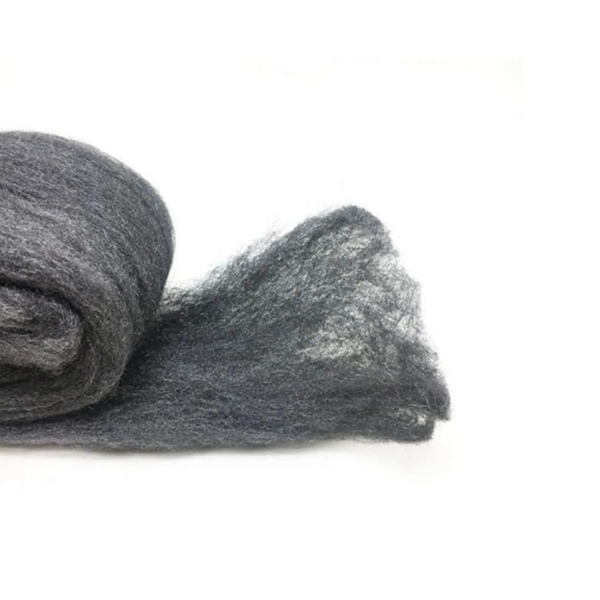
A lã de aço inoxidável é frequentemente usada próxima ao núcleo perfurado do silenciador. Essa área recebe os pulsos mais fortes dos gases de escape, maior velocidade e exposição direta ao calor. Se a fibra de vidro for colocada diretamente contra o núcleo em um sistema de escape severo, ela pode ser desgastada, deslocada ou expelida mais rapidamente.
A lã de aço inoxidável ajuda a proteger a camada principal de enchimento acústico. Ela cria uma barreira durável entre o fluxo de gás quente e o material de fibra de vidro. Isso melhora a retenção do enchimento e reduz o risco de falha precoce em sistemas de escape de alto fluxo.
No entanto, a lã de aço inoxidável nem sempre é o melhor material quando usada sozinha. Ela possui maior durabilidade mecânica que a fibra de vidro, mas normalmente não oferece o mesmo nível de ampla absorção acústica. Em muitos sistemas de escape profissionais, a melhor estrutura não é lã de aço inoxidável em vez de fibra de vidro. A solução melhor é lã de aço inoxidável mais fibra de vidro.
Uma estrutura típica de escape de alto desempenho pode usar lã de aço inoxidável como camada interna ao redor do núcleo perfurado e enchimento de fibra de vidro como camada externa de absorção sonora. Isso cria um sistema de enchimento de silenciador mais durável e equilibrado.
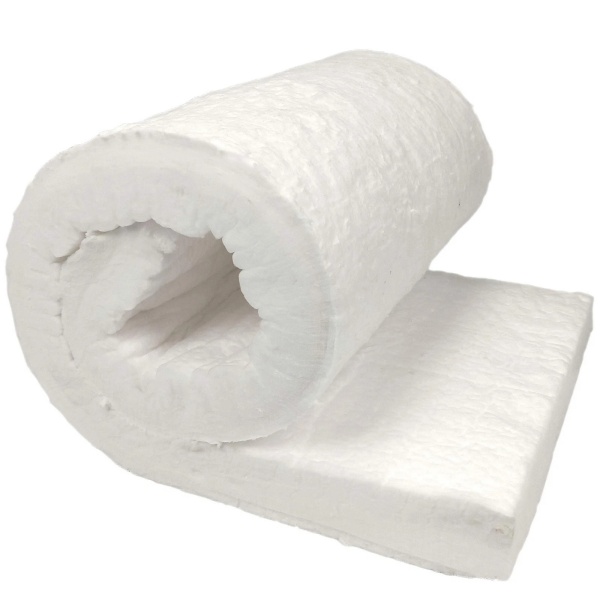
O enchimento de fibra cerâmica é escolhido quando a resistência ao calor é o principal requisito. É adequado para sistemas de escape expostos a temperaturas mais altas do que a fibra de vidro padrão consegue suportar confortavelmente. Pode ser usado em silenciadores industriais, conjuntos de escape de alta temperatura, aplicações pesadas e sistemas especiais de desempenho.
A fibra cerâmica oferece excelente estabilidade térmica, mas pode não ser necessária para todos os silenciadores. Para muitas aplicações de escape de motocicletas e automóveis, uma estrutura de fibra de vidro ou fibra de vidro mais lã de aço inoxidável é mais prática. A fibra cerâmica geralmente é selecionada quando o sistema de escape apresenta um problema comprovado de alta temperatura, queima frequente do enchimento ou requisitos especiais de engenharia.
Para compradores OEM, a fibra cerâmica deve ser avaliada de acordo com o perfil de temperatura, geometria do silenciador, processo de instalação e requisitos de manuseio pelos trabalhadores. É um material técnico forte, mas deve ser usado onde sua vantagem de alta temperatura seja realmente necessária.
Para a maioria dos silenciadores de motocicleta, o enchimento de fibra de vidro é o melhor material geral. Os silenciadores de motocicleta são compactos e exigem absorção sonora eficiente em espaço limitado. A fibra de vidro oferece bom desempenho acústico e é fácil de reencher.
Para motocicletas de rua, silenciadores padrão de reposição e kits gerais de reparo, o enchimento de fibra de vidro ou a meia de enchimento de fibra de vidro geralmente são adequados. Para motocicletas de corrida, motos off-road, motores de alta rotação e sistemas de alto fluxo, uma camada interna de lã de aço inoxidável pode ser adicionada para melhorar a durabilidade.
Se o silenciador apresentar expulsão repetida do enchimento, ruído agressivo após pouco uso ou perda visível de fibras pela saída, a estrutura do enchimento deve ser atualizada. Nesse caso, uma meia de enchimento de fibra de vidro contida ou uma estrutura combinada de lã de aço inoxidável mais fibra de vidro é uma opção melhor do que apenas fibra solta.
Os sistemas de escape de ATV e UTV enfrentam vibração, poeira, impactos e mudanças frequentes de carga. O material de enchimento deve resistir ao movimento dentro do corpo do silenciador. A fibra solta pode se deslocar durante o uso se a densidade não for controlada adequadamente.
Para escapes de ATV e UTV, uma meia de enchimento de fibra de vidro ou uma estrutura de enchimento de fibra de vidro pré-formada costuma ser mais estável do que enchimento solto. A malha externa ajuda a conter a fibra e facilita a instalação. Se o sistema de escape operar em temperatura mais alta ou tiver forte impacto de pulsos, a lã de aço inoxidável pode ser usada como camada de proteção do núcleo.
Os sistemas de escape de corrida e alto desempenho geralmente exigem uma estrutura de enchimento em camadas. Esses sistemas geram pulsos de escape mais fortes, maior velocidade dos gases e vibração mais intensa. Um enchimento padrão de fibra de vidro solta em camada única pode não oferecer retenção suficiente nessas condições.
A estrutura recomendada geralmente é lã de aço inoxidável ao redor do núcleo perfurado, seguida por enchimento de fibra de vidro de alta densidade como principal camada de absorção sonora. Essa combinação melhora a resistência ao sopramento enquanto mantém bom desempenho acústico.
Para marcas de silenciadores de alto desempenho, essa estrutura pode reduzir reclamações de clientes relacionadas ao aumento precoce de ruído, perda de enchimento e necessidade frequente de reenchimento. Também ajuda a manter um perfil sonoro mais consistente durante o período de uso.
A produção de silenciadores OEM exige repetibilidade. O material deve ser fácil de instalar, consistente em dimensões, estável em densidade e adequado para produção em massa. Por esse motivo, os compradores OEM geralmente preferem enchimentos cortados sob medida, meias de enchimento pré-formadas, sacos de enchimento costurados ou conjuntos de materiais com peso controlado.
Para aplicações OEM, o melhor material de enchimento não é definido apenas pelo tipo de fibra. Ele é definido pela estrutura completa: material, densidade, peso, espessura, largura, comprimento, taxa de compressão, método de embalagem e processo de montagem.
A BSTFLEX pode atender aos requisitos OEM, incluindo tamanhos personalizados, combinações de materiais, embalagens com marca própria, embalagem em caixas, sacos com código de barras e desenvolvimento de amostras de teste com base em desenhos de silenciadores ou amostras físicas.
Antes de selecionar um material, o comprador deve identificar a condição real de operação do sistema de escape. Um material de baixo custo pode funcionar para uma aplicação moderada, mas falhar rapidamente em um escape de corrida de alta temperatura. Um material de alta temperatura pode ser desnecessário se o silenciador exigir apenas um reenchimento acústico padrão.
A seguinte lógica de seleção pode ser usada:
| Condição | Material Recomendado | Motivo |
|---|---|---|
| O principal objetivo é a redução de ruído | Enchimento de silenciador de fibra de vidro | Forte absorção acústica e custo prático |
| A instalação limpa é importante | Meia de enchimento de fibra de vidro | Melhor contenção das fibras e montagem mais fácil |
| O enchimento continua saindo | Lã de aço inoxidável mais fibra de vidro | Melhora a proteção do núcleo e a retenção |
| O escape funciona em temperaturas extremamente altas | Fibra cerâmica ou estrutura combinada | Melhor estabilidade térmica em zonas de calor intenso |
| A produção OEM exige consistência | Enchimento personalizado pré-formado | Melhora a repetibilidade e reduz a variação na montagem |
| O distribuidor precisa de kits de reenchimento para varejo | Meia ou saco de enchimento com embalagem de marca própria | Melhor apresentação e instalação fácil para o usuário |
Um erro comum é escolher a fibra solta mais barata sem considerar a temperatura do escape e a velocidade dos gases. Isso pode reduzir o custo inicial, mas aumentar o risco de falha. Outro erro é usar apenas lã de aço inoxidável e esperar a mesma absorção sonora da fibra de vidro. A lã metálica melhora a durabilidade, mas nem sempre é o melhor material acústico por si só.
Um terceiro erro é ignorar a densidade do enchimento. Se o material for compactado de forma muito solta, ele pode se mover, colapsar e sair pelo escape. Se for compactado com muita força, pode reduzir a eficiência da absorção acústica e criar problemas de instalação. A densidade correta é tão importante quanto o tipo de material.
Outro problema comum é usar o mesmo material para todos os tamanhos de silenciador. Um silenciador pequeno de motocicleta e um silenciador grande de escape industrial não exigem a mesma estrutura. O diâmetro do núcleo, o diâmetro da carcaça, a espessura da câmara de enchimento e a temperatura de operação devem ser considerados.
Para reenchimento padrão de escapes, a BSTFLEX recomenda enchimento de silenciador de fibra de vidro ou enchimento de silenciador de escape de fibra de vidro. Esses materiais são práticos para absorção sonora e serviços gerais de escape em alta temperatura.
Para uma instalação mais limpa, menor manuseio de fibras soltas e um enchimento mais consistente, o Saco de Enchimento de Silenciador de Fibra de Vidro com Bolsa de Malha de Vidro Tecida é uma opção forte. Ele é adequado para silenciadores de motocicletas, escapes de ATV e UTV, silenciadores automotivos, sistemas de escape de alto desempenho e produção de silenciadores OEM.
Para sistemas de escape severos, a BSTFLEX pode fornecer estruturas combinadas de enchimento usando fibra de vidro com lã de aço inoxidável, tela de aço inoxidável ou outras camadas de reforço. Essas estruturas personalizadas são úteis quando o sistema de escape exige maior retenção, maior durabilidade ou melhor resistência à saída do enchimento.
Para receber uma cotação precisa, forneça os seguintes detalhes:
A BSTFLEX oferece fornecimento padrão, corte personalizado, embalagem de marca própria, revestimentos de enchimento OEM para silenciadores, kits de reembalagem para distribuidores e desenvolvimento baseado em amostras para fabricantes de silenciadores de escape e compradores profissionais.
Para a maioria dos sistemas de escape padrão, o enchimento de fibra de vidro para silenciador é a melhor escolha geral porque oferece absorção sonora eficaz, boa resistência ao calor, instalação fácil e custo prático. Para sistemas de escape de alto desempenho e aplicações com forte impacto dos gases, a lã de aço inoxidável deve ser usada próxima ao núcleo perfurado para melhorar a proteção e a resistência à expulsão. Para ambientes de temperatura extremamente alta, a fibra cerâmica pode ser selecionada quando os materiais padrão não são suficientes.
Portanto, o melhor material de enchimento para silenciador nem sempre é um único material. Em muitas aplicações profissionais, a melhor solução é uma estrutura projetada corretamente. A fibra de vidro controla o som. A lã de aço inoxidável melhora a retenção. A fibra cerâmica suporta calor extremo. Uma combinação adequada pode proporcionar maior vida útil, melhor controle de som e desempenho de escape mais confiável.
Para soluções personalizadas de enchimento de escape, visite a categoria Enchimento para Silenciador BSTFLEX ou consulte produtos relacionados, como Enchimento de Silenciador de Escape em Fibra de Vidro, Enchimento de Silenciador de Escape em Fibra de Vidro, e Meia de Enchimento para Silenciador em Fibra de Vidro com Bolsa de Malha de Vidro Tecida.
Para a maioria dos sistemas de escape de motocicletas, o enchimento de fibra de vidro para silenciador ou a meia de enchimento de fibra de vidro para silenciador é a melhor escolha prática. Para escapes de corrida ou de alto fluxo, recomenda-se uma camada interna de lã de aço inoxidável com enchimento externo de fibra de vidro.
A fibra de vidro é melhor para absorção sonora, enquanto a lã de aço inoxidável é melhor para proteção do núcleo e resistência à expulsão. Em sistemas de escape exigentes, ambos os materiais costumam ser usados juntos.
A fibra cerâmica deve ser considerada quando o sistema de escape opera sob temperatura muito alta ou quando o enchimento padrão de fibra de vidro falha rapidamente devido à exposição ao calor.
O enchimento do silenciador pode falhar devido ao calor excessivo, alta velocidade dos gases de escape, vibração, densidade de instalação inadequada, queima do material ou proteção insuficiente próxima ao núcleo perfurado.
Uma meia de enchimento para silenciador costuma ser melhor para uma instalação limpa e retenção consistente das fibras. Ela reduz o manuseio de fibras soltas e ajuda a manter uma estrutura de enchimento mais organizada dentro do silenciador.
Sim. A BSTFLEX pode fornecer tamanhos personalizados de enchimento para silenciadores, combinações de materiais, meias de enchimento, sacos de marca própria, kits para distribuidores e embalagens OEM com base nos requisitos da aplicação.

No.10, Chuangxin North Road, Nanshan Park, Ningguo Economic and Technological Development Zone, Ningguo City, Anhui Province, China
telefone/Whatsapp : 0086-15856303740
o email : sales@bstbraidedsleeve.com
Skype : vanesa-cheng