O que você está procurando?
Resumo rápido: Se você está procurando por isolador de escapamento , isolamento de exaustão , ou isolamento do tubo de escape A chave é escolher uma estrutura que corresponda à sua fonte de calor, ciclo de trabalho e restrições de instalação. Este guia explica as regras práticas de seleção para Isolamento para tubo de escape , incluindo isolamento do escapamento do aquecedor a diesel e isolamento do tubo de escape do aquecedor a diesel aplicações.
Soluções para escapamento: soluções de isolamento de exaustão | Proteção de mangueiras/fios perto de tubulações energizadas: proteção contra incêndio | PDFs técnicos: Baixar documentos técnicos
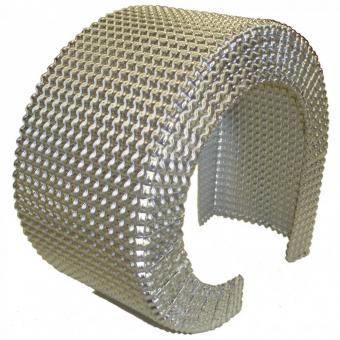
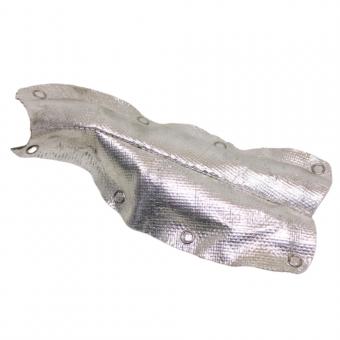
Isolamento de exaustão (às vezes chamado de um isolador de escapamento ) é uma camada de proteção térmica aplicada aos componentes do sistema de exaustão para reduzir a temperatura da superfície e o calor radiante para as áreas circundantes. Em termos práticos, Isolamento térmico para tubo de escape pode:
Para zonas de calor intenso, a melhor abordagem costuma ser reduzir o calor na fonte primeiro e, em seguida, adicionar proteção às partes adjacentes. Veja nosso soluções de isolamento de exaustão .
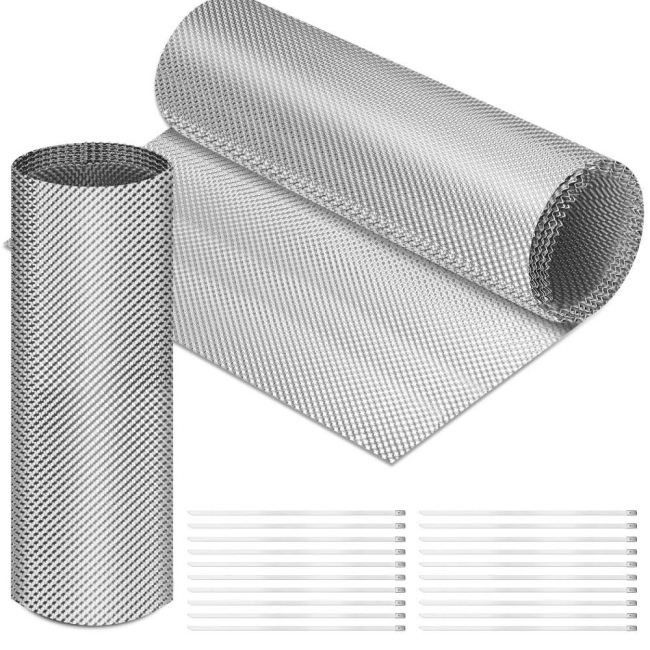
IMAGEM Nº 1
As pessoas costumam pesquisar por isolamento térmico do escapamento quando na verdade precisam de um (ou ambos) dos seguintes:
Se o escapamento estiver extremamente quente ou o espaço for limitado, comece com isolamento do tubo de escape e depois proteja as linhas sensíveis com manga de fogo onde necessário.

Selecione isolamento de exaustão Com base nas condições reais de operação e incluindo margem de segurança. Se a vibração puder criar pontos de contato, trate o "quase contato" como contato e utilize uma proteção mais conservadora.
Isolamento do escapamento do aquecedor a diesel é um termo de pesquisa com alta intenção, pois os usuários geralmente lidam com rotas apertadas e compartimentos fechados (como caravanas, cabines náuticas e compartimentos para equipamentos). O objetivo de isolamento do tubo de escape do aquecedor a diesel é para:
Se você estiver isolando o duto de exaustão de um aquecedor, proteja também quaisquer tubulações próximas usando proteção contra incêndio e verifique os pontos de fixação para evitar abrasão devido à vibração.
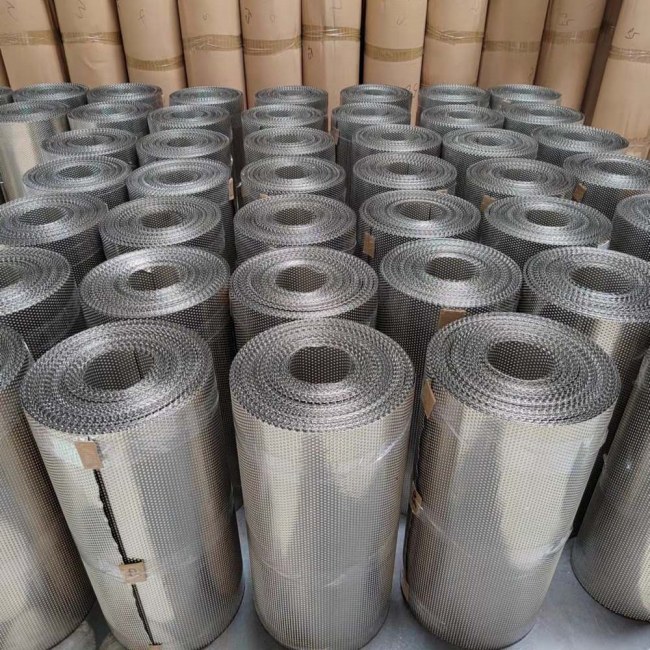
IMAGEM #2

Na maioria das pesquisas, sim. "Isolador de escape" é frequentemente usado como um termo geral para isolamento de exaustão Materiais aplicados aos componentes do sistema de exaustão. A escolha correta depende da temperatura, do ciclo de trabalho e das restrições de instalação.
Nem sempre. Isolamento do tubo de escape Reduz a temperatura da superfície na fonte, enquanto os escudos térmicos protegem as partes adjacentes do calor radiante. Em zonas severas, combinar ambas as abordagens é geralmente a solução mais confiável.
Fixação segura e folga adequada. Em compartimentos apertados, o isolamento deve permanecer estável sob vibração e ciclos térmicos, sem deslizar ou sofrer atrito.
Envie-nos o diâmetro do tubo de escape, o comprimento a isolar, a temperatura máxima (se conhecida), a distância até as peças próximas e o tipo de aplicação (automotiva, aquecedor a diesel, marítima, gerador). Recomendaremos uma estrutura de isolamento adequada e forneceremos a documentação técnica necessária.

No.10, Chuangxin North Road, Nanshan Park, Ningguo Economic and Technological Development Zone, Ningguo City, Anhui Province, China
telefone/Whatsapp : 0086-15856303740
o email : sales@bstbraidedsleeve.com
Skype : vanesa-cheng