O que você está procurando?
UM manta para tubo de queda de lava É uma manta isolante térmica de alto desempenho, projetada especificamente para as temperaturas extremas geradas por sistemas de escapamento turboalimentados. Envolvida em torno do tubo de escape, esta manta ajuda a controlar o calor irradiado, melhorar a resposta do turbo, proteger os componentes adjacentes e manter temperaturas mais seguras sob o capô. Ao contrário das mantas isolantes tradicionais de fibra de vidro ou aço inoxidável, as mantas de lava para tubos de escape são feitas com fibras de rocha vulcânica pulverizada, o que lhes confere excepcional tolerância ao calor, durabilidade e resistência ao choque térmico.
Os motores modernos, principalmente os sistemas turboalimentados a gasolina e diesel, geram níveis intensos de calor dentro do escapamento e componentes adjacentes. Sem um gerenciamento térmico eficaz, esse calor pode danificar a fiação, mangueiras, painéis da carroceria, tubulações do intercooler e outras peças sensíveis. Uma manta térmica de lava para o tubo de escape oferece uma solução projetada para minimizar a transferência de calor, melhorar a eficiência do desempenho e prolongar a vida útil de componentes críticos. Este guia detalhado aborda os benefícios, a ciência dos materiais, os campos de aplicação, as considerações de instalação e os detalhes técnicos das mantas térmicas de lava para tubos de escape, oferecendo informações valiosas para entusiastas automotivos, engenheiros de automobilismo e oficinas de preparação de veículos.
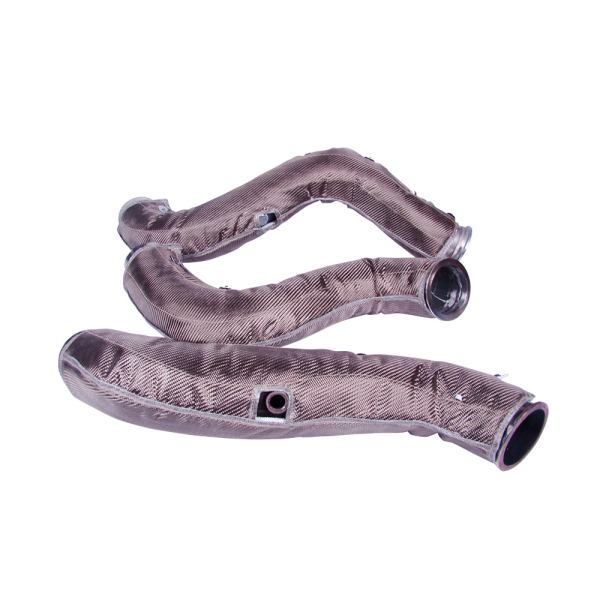
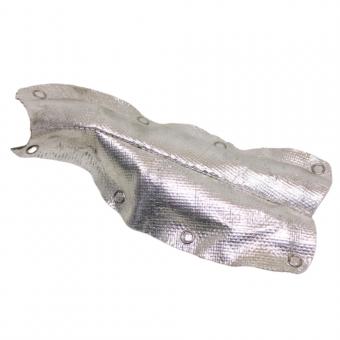
Uma manta isolante para tubos de descarga é uma cobertura feita de fibra de basalto, um material derivado de rocha vulcânica. Essas fibras são tecidas ou costuradas em um tecido flexível e resistente a altas temperaturas, moldado para envolver firmemente tubos de descarga, entradas de catalisadores ou saídas de turbos. O material suporta naturalmente ambientes térmicos extremos e proporciona uma barreira térmica avançada que reduz significativamente a temperatura da superfície.
A manta térmica geralmente consiste em uma camada externa de basalto resistente a altas temperaturas, uma camada interna de barreira térmica multicamadas e sistemas de fixação seguros que permitem que a manta permaneça firmemente ajustada mesmo sob condições de direção exigentes. Como os tubos de escape sofrem picos de calor intensos durante acelerações máximas, alta pressão do turbo ou subidas prolongadas, essas mantas são projetadas para manter a estabilidade do desempenho sem se degradarem ou se desfazerem.
O calor dos gases de escape irradia para o compartimento do motor e aumenta as temperaturas de funcionamento dos componentes próximos. Ao isolar o tubo de escape, o calor irradiado para fora é drasticamente reduzido, mantendo o compartimento do motor mais frio e diminuindo a carga térmica.
Gases de escape mais quentes melhoram o fluxo de energia para a turbina do turbocompressor, proporcionando uma resposta mais rápida e estável. O isolamento ajuda a reter a energia térmica dos gases de escape, promovendo uma aceleração mais rápida do turbo e reduzindo o atraso na resposta.
Chicotes elétricos, sensores, mangueiras e componentes plásticos podem se degradar devido à exposição contínua ao calor radiante intenso. As mantas térmicas para tubos de lava oferecem uma forte proteção térmica que protege essas peças contra superaquecimento ou derretimento.
Keeping heat away from the cabin firewall, floor panels, and fuel lines reduces the risk of heat soak, component failure, and thermal fatigue.
Basalt-based insulation maintains structural integrity through repeated heat cycles, handling thermal shock better than traditional fiberglass wraps. This makes it suitable for performance vehicles, off-road machines, and industrial diesel engines.
The outer surface of a lava blanket remains considerably cooler than the exhaust pipe beneath it, reducing the likelihood of burns during maintenance or unexpected contact.
The primary material is basalt fiber derived from volcanic rock, chosen for its excellent high-temperature resistance and natural durability. Basalt fibers do not melt under typical exhaust temperatures, making them highly reliable for extended use.
Beneath the exterior basalt surface lies a series of insulating layers designed to trap heat and stabilize temperature gradients. These layers help maintain consistent thermal performance even under abrupt temperature changes.
Industrial stitching and metal or fiberglass fasteners ensure secure attachment and structural cohesion. These components must withstand high vibration levels and resist degradation from heat, oil, and exhaust gases.
Downpipe blankets are engineered to contour to the shape of the pipe, ensuring full coverage and optimal insulation efficiency.
Performance cars, diesel trucks, and off-road vehicles with turbochargers use downpipe blankets to manage heat radiating from turbo exhaust components.
Race cars require strict thermal control to prevent heat soak and improve lap consistency. Downpipe blankets are widely used in professional motorsport environments.
Vehicles modified for higher boost levels or upgraded turbo systems rely on additional insulation to protect engine bay components.
Boats with turbo diesel engines use downpipe blankets to manage enclosed engine room heat and improve component longevity.
Construction machinery, power generators, and agricultural equipment benefit from heat insulation to safeguard surrounding systems.
| Property | Value |
|---|---|
| Base Material | Basalt fiber derived from volcanic rock |
| Continuous Temperature Resistance | Approximately 980 degrees Celsius depending on grade |
| Peak Temperature Tolerance | Up to approximately 1370 degrees Celsius for short durations |
| Insulation Thickness | 3 to 12 millimeters depending on design |
| Outer Surface Temperature Reduction | Can reduce surface temperature significantly depending on installation |
| Fastening System | Stainless steel hooks, springs, or high-temperature straps |
| Structure | Multi-layer thermal insulation with basalt outer fabric |
| Chemical Resistance | Good resistance to oils and most engine bay contaminants |
| Flexibility | High for ease of installation |
| Applications | Turbo downpipes, catalytic inlets, exhaust elbows |
Values may differ by manufacturer and blanket design.
volcanic rock turbo insulation blanket
heat shield downpipe wrap
high temperature exhaust thermal barrier
basalt fiber turbo blanket
performance exhaust insulation cover
automotive thermal management wrap
downpipe heat protection material
Basalt fibers tolerate higher temperatures than fiberglass, making lava blankets suitable for extreme turbo applications.
Fiberglass wraps may become brittle over time, while basalt retains flexibility and structural integrity longer.
Lava blankets typically maintain a more stable color and cleaner texture, whereas fiberglass wraps often discolor.
Basalt fibers shed significantly less than fiberglass wraps, making installation safer and cleaner.
Lava blankets contour more effectively around complex shapes, improving insulation consistency.
Ensure the downpipe is clean and free from oil or loose debris. Allow the exhaust to cool completely before installation.
Wrap the blanket around the pipe, aligning it with bends, junctions, and mounting points. Ensure complete coverage for maximum heat control.
Use high-temperature hooks, wires, or straps to fasten the blanket firmly. Avoid over-tightening, which may compress insulation layers.
After driving the vehicle through several heat cycles, inspect the blanket for settling or loosening and adjust if needed.
Lava downpipe blankets require minimal upkeep but should be inspected periodically for wear, oil contamination, or mechanical damage. Replace the blanket if fraying, significant discoloration, or heat-compromised areas are observed.
It insulates the downpipe to reduce radiant heat, improve turbo efficiency, protect nearby components, and stabilize overall engine bay temperatures.
A turbo blanket covers the turbine housing, while a downpipe blanket insulates the pipe that immediately follows the turbocharger. They are often used together for optimal thermal management.
Yes. Basalt fiber insulation is designed for repeated thermal cycling without degradation.
Indirectly, yes. By retaining heat in the exhaust flow, the turbocharger may spool faster, improving throttle response and efficiency.
Yes. Proper installation prevents excessive heat from affecting wiring, hoses, and sensors.
Em condições normais de uso, mantas de alta qualidade duram vários anos, dependendo dos níveis de calor do motor e da exposição ambiental.
Inspeção periódica apenas. Não há necessidade de limpeza, a menos que ocorra contaminação por óleo.
UM manta para tubo de queda de lava É uma atualização essencial para motores turboalimentados que buscam melhor gerenciamento térmico, maior proteção dos componentes e resposta aprimorada do turbo. Sua construção em fibra de basalto oferece resistência ao calor muito superior aos materiais tradicionais, proporcionando desempenho confiável tanto em competições quanto no uso diário. Ao reduzir as temperaturas sob o capô e estabilizar o fluxo de calor do escapamento, as mantas térmicas de lava para downpipes contribuem para uma operação do motor mais segura, eficiente e durável. Quando combinadas com o tamanho correto e instaladas adequadamente, oferecem benefícios a longo prazo para aplicações automotivas focadas em desempenho.

No.10, Chuangxin North Road, Nanshan Park, Ningguo Economic and Technological Development Zone, Ningguo City, Anhui Province, China
telefone/Whatsapp : 0086-15856303740
o email : sales@bstbraidedsleeve.com
Skype : vanesa-cheng