O que você está procurando?
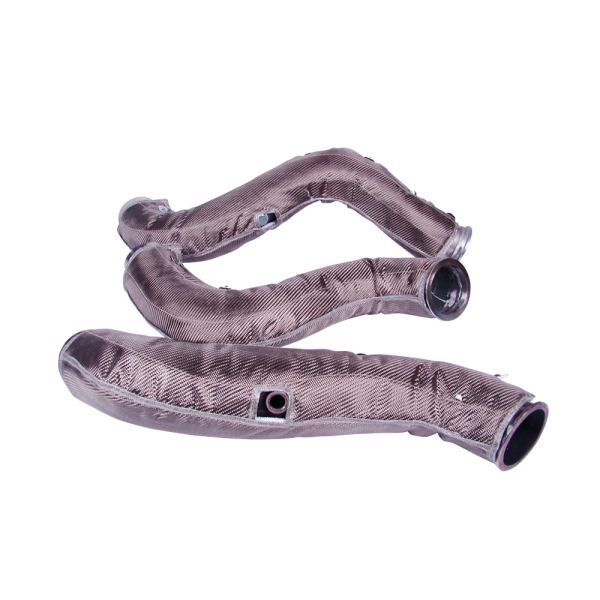
Um manta de isolamento de exaustão É uma solução amplamente utilizada para controlar temperaturas extremas de gases de escape em sistemas industriais, automotivos, marítimos e de geração de energia. A seleção e aplicação adequadas de mantas isolantes para gases de escape podem reduzir significativamente as temperaturas da superfície, melhorar a segurança operacional e aumentar a confiabilidade do sistema a longo prazo.
Este guia fornece Princípios de seleção em nível de sistema, comparações de materiais, cenários de aplicação e considerações práticas. Para ajudar engenheiros e compradores a escolherem a manta de isolamento de exaustão adequada às condições reais de operação.
Normalmente, escolhe-se uma manta de isolamento para escapamentos para
sistemas de exaustão de alta temperatura
Onde são necessários contenção de calor, proteção do pessoal e facilidade de manutenção.
Em comparação com os métodos de isolamento permanente, as mantas de isolamento removíveis oferecem
Desempenho térmico consistente, acesso facilitado para manutenção e vida útil mais longa.
Em ambientes exigentes.
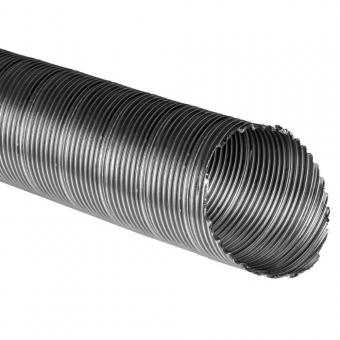
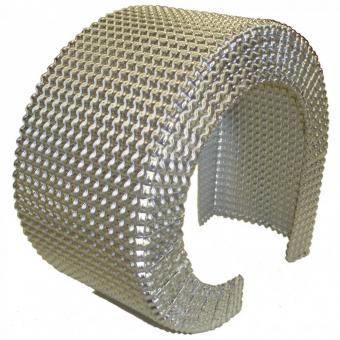
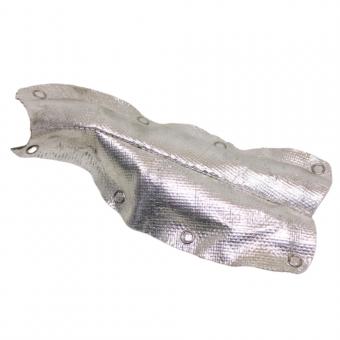
Uma manta de isolamento para escapamentos é uma Cobertura removível de isolamento térmico multicamadas Projetado para envolver componentes do sistema de escape, tais como:
Tubos de escape
Coletores de escape
Turbocompressores
Silenciadores e abafadores
Sua função principal é
contêm calor radiante
, reduzir a temperatura da superfície externa e proteger os equipamentos e o pessoal próximos.
Por ser removível, a manta permite
Inspeção, manutenção e reinstalação
Sem modificações permanentes no sistema de escape.
Sistemas de exaustão de alta temperatura podem atingir temperaturas de operação acima de 500–1000°C Sem isolamento adequado, o excesso de calor radiante pode causar:
Aumento do risco de queimaduras e incêndios
Danos em mangueiras, fiação e componentes próximos.
temperaturas ambientes mais elevadas
Eficiência reduzida do sistema
As mantas de isolamento para escapamentos são comumente usadas para:
Reduzir a temperatura da superfície por 50–90%
Melhorar a segurança no local de trabalho e dos equipamentos.
Proteja os componentes sensíveis ao calor.
Retém o calor dos gases de escape para um melhor desempenho.
Atender aos requisitos de segurança e proteção contra incêndio
Uma manta de isolamento para escapamentos funciona combinando resistência térmica e contenção de calor por meio de construção em camadas:
Camada de isolamento interna retém e retarda a transferência de calor
Camada de reforço intermediária Mantém a espessura do isolamento sob vibração.
Camada protetora externa Resiste à abrasão, óleo, umidade e danos mecânicos.
Essa estrutura permite que a manta proporcione um desempenho térmico estável sob operação contínua em alta temperatura.
Alto desempenho de isolamento consistente
Removível e reutilizável
Adequado para aplicações industriais e em altas temperaturas.
Custo inicial mais baixo
Permanente após a instalação.
Isolamento irregular e vida útil mais curta
Alta eficiência térmica
Instalação complexa
Flexibilidade limitada
Para sistemas que exigem acesso para manutenção, durabilidade e desempenho a longo prazo. As mantas de isolamento para escapamentos são geralmente a solução preferida.
A seleção de materiais afeta diretamente a resistência à temperatura, a durabilidade e a vida útil.
Temperatura contínua até aproximadamente 550°C
Solução com boa relação custo-benefício
Adequado para sistemas de exaustão de temperatura moderada.
Temperatura contínua até aproximadamente 1260°C
Excelente estabilidade térmica
Comumente utilizado em turbocompressores e sistemas de escape industriais.
Temperatura contínua até aproximadamente 1000°C
Alta flexibilidade e resistência à vibração
Adequado para aplicações de alto ciclo e desempenho.
As combinações de materiais são frequentemente personalizadas com base em temperatura de operação e condições ambientais .
Uma manta isolante removível para escapamento é normalmente escolhida quando:
As temperaturas dos gases de escape são consistentemente altas.
Os equipamentos requerem inspeção ou manutenção regulares.
A segurança e a proteção do pessoal são fundamentais.
A durabilidade a longo prazo é mais importante do que o custo inicial.
Em muitos sistemas industriais e de geração de energia, as mantas isolantes removíveis são consideradas... solução padrão de controle de calor .
As mantas de isolamento para escapamentos são amplamente utilizadas em:
Turbocompressores e coletores de escape
Tubulações e silenciadores de escape industrial
Sistemas de exaustão para geradores a diesel e gás
escapamentos de motores marítimos
Equipamentos de construção e mineração
Cada aplicação pode exigir diferentes espessuras de isolamento, materiais e sistemas de fixação.
A instalação correta é essencial para um desempenho eficaz do isolamento:
Assegure-se de que as superfícies quentes estejam totalmente cobertas.
Evite a compressão excessiva das camadas de isolamento.
Utilize sistemas de fixação adequados.
Inspecione periodicamente para verificar desgaste ou danos.
Com instalação correta e inspeção de rotina, as mantas de isolamento para escapamentos proporcionam desempenho estável ao longo de longos períodos de serviço .
Dependendo do material isolante, da espessura e das condições de operação, as mantas de isolamento para escapamentos podem reduzir as temperaturas da superfície em aproximadamente 50% a 90% , melhorando significativamente a segurança e o controle térmico.
Muitos sistemas de escape apresentam formatos complexos ou condições de funcionamento únicas.
As mantas de isolamento térmico personalizadas para sistemas de exaustão permitem:
Encaixe preciso para componentes não padronizados
Espessura de isolamento otimizada
Seleção de materiais isolantes e revestimentos externos adequados.
As soluções personalizadas são normalmente desenvolvidas com base em desenhos, amostras ou parâmetros operacionais .
Ao selecionar uma manta de isolamento para escapamento, considere:
Temperatura operacional contínua e máxima
Exposição ambiental (óleo, umidade, produtos químicos)
Vibração e movimento mecânico
Requisitos de instalação e manutenção
Adequar o projeto de isolamento ao condições reais de operação É essencial para a confiabilidade a longo prazo.
Uma manta de isolamento para escapamentos é utilizada para reduzir a temperatura da superfície, conter o calor radiante e melhorar a segurança em torno de componentes de escapamento de alta temperatura.
Dependendo do material isolante e das condições de operação, as temperaturas da superfície podem normalmente ser reduzidas por 50% a 90% .
Para a maioria das aplicações industriais e de alta temperatura, uma manta de isolamento para exaustão proporciona Desempenho mais consistente, maior durabilidade e manutenção mais fácil. do que fita isolante para escapamento.
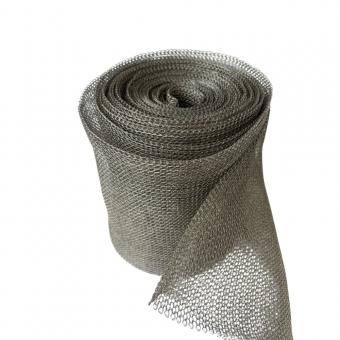
Os materiais comuns incluem fibra de vidro, fibra cerâmica e fibra de sílica, selecionados com base nos requisitos de temperatura e nas condições de aplicação.
Sim. A maioria das mantas isolantes para escapamentos são projetadas para serem removíveis e reutilizáveis, permitindo inspeção e manutenção sem danificar o sistema de escapamento.
Sim. As mantas isolantes para escapamentos são amplamente utilizadas em turbocompressores e componentes de escapamento relacionados a turbos, onde o confinamento térmico é fundamental.
A vida útil depende da temperatura, do ambiente e das condições de uso. Em aplicações industriais, uma manta de isolamento de exaustão de alta qualidade normalmente dura... vários anos Com instalação e inspeção adequadas.
Este guia fornece uma base para a compreensão e seleção de mantas de isolamento para escapamentos, considerando as condições reais de operação. Para aplicações específicas ou requisitos personalizados, uma manta de isolamento para escapamentos projetada profissionalmente oferece o desempenho mais confiável a longo prazo.

No.10, Chuangxin North Road, Nanshan Park, Ningguo Economic and Technological Development Zone, Ningguo City, Anhui Province, China
telefone/Whatsapp : 0086-15856303740
o email : sales@bstbraidedsleeve.com
Skype : vanesa-cheng