O que você está procurando?
Barreira térmica aluminizada com adesivo na parte traseira É amplamente utilizado em aplicações industriais, automotivas, de climatização (HVAC) e de construção civil onde o controle do calor radiante é necessário. Este guia explica o que é uma barreira térmica aluminizada com adesivo, como funciona, onde é comumente utilizada e como se compara aos materiais de isolamento tradicionais, utilizando explicações claras e com foco em engenharia.
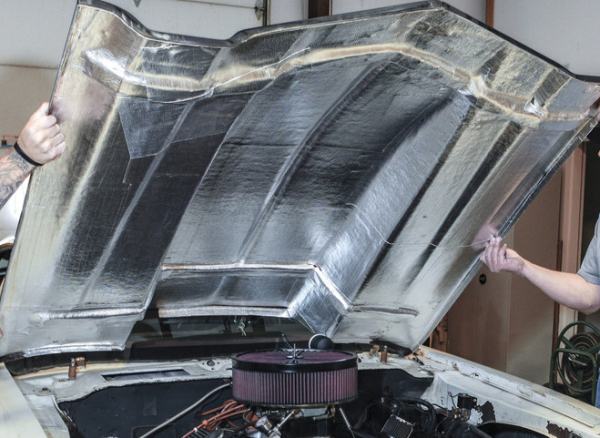
A barreira térmica aluminizada com adesivo é um material isolante térmico refletivo projetado para reduzir a transferência de calor radiante, refletindo o calor para longe das superfícies expostas. Consiste em uma camada refletora aluminizada combinada com um adesivo sensível à pressão, permitindo a fixação direta em substratos de metal, plástico ou compósitos sem a necessidade de fixadores mecânicos.
Este tipo de barreira térmica é usado principalmente para controlar o calor radiante, e não o calor por condução. A superfície aluminizada reflete a radiação infravermelha, enquanto o adesivo na parte traseira simplifica a instalação e garante um contato uniforme com a superfície.
A barreira térmica aluminizada com adesivo funciona refletindo o calor radiante em vez de absorvê-lo. A superfície aluminizada reflete uma alta porcentagem de radiação infravermelha, reduzindo a quantidade de calor transferida para a superfície protegida.
Ao contrário dos materiais isolantes convencionais, que dependem da espessura para retardar a transferência de calor por condução, as barreiras térmicas refletoras reduzem o calor radiante, tornando-as eficazes em ambientes de alta temperatura e com espaço limitado.
O revestimento adesivo melhora a eficiência da instalação, permitindo que o material seja aplicado diretamente nas superfícies sem sistemas de fixação adicionais, o que ajuda a manter um desempenho térmico uniforme.
A barreira térmica aluminizada com adesivo na parte traseira combina refletividade térmica com facilidade de instalação e durabilidade do material.
As características técnicas comuns incluem:
Alta refletividade de calor radiante
Verso adesivo sensível à pressão
Construção leve e flexível
Perfil fino, adequado para espaços limitados.
Resistência à umidade e à corrosão.
Essas características permitem que o material tenha um desempenho confiável em ambientes expostos a calor contínuo ou intermitente.
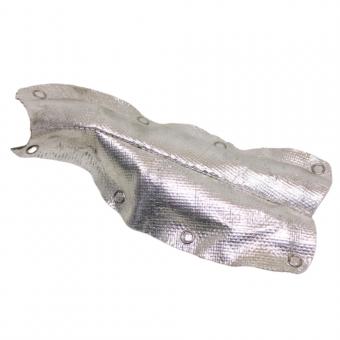
Em aplicações automotivas, a barreira térmica aluminizada com adesivo é utilizada em compartimentos do motor, paredes corta-fogo e áreas de escapamento para reduzir a exposição ao calor radiante e proteger componentes sensíveis ao calor.
Em sistemas de climatização (HVAC), uma barreira térmica aluminizada com adesivo é aplicada em dutos e unidades de tratamento de ar para reduzir o ganho ou a perda de calor causada pela radiação térmica.
Em ambientes industriais, a barreira térmica aluminizada com adesivo é utilizada em máquinas, invólucros e superfícies de equipamentos expostos a temperaturas elevadas.
Em aplicações na construção civil, a barreira térmica aluminizada com adesivo é instalada em telhados, paredes e estruturas metálicas para melhorar a eficiência energética, refletindo o calor radiante.
Em comparação com materiais isolantes tradicionais, como fibra de vidro, espuma ou fibra cerâmica, a barreira térmica aluminizada com adesivo proporciona uma reflexão de calor radiante eficaz com um perfil muito mais fino.
Isso o torna adequado para aplicações onde restrições de espaço, limitações de peso e tempo de instalação são considerações críticas.
O revestimento adesivo reduz ainda mais a complexidade da instalação, eliminando a necessidade de fixadores mecânicos, clipes ou sistemas de fixação adicionais.
A instalação correta é essencial para obter um desempenho térmico consistente da barreira térmica aluminizada com adesivo.
As principais práticas de instalação incluem:
Limpar a superfície para remover poeira, óleo ou umidade.
Aplicar o material dentro da faixa de temperatura recomendada.
Aplique pressão uniforme para garantir o contato total do adesivo.
Evite esticar ou enrugar durante a instalação.
Seguir essas práticas ajuda a manter a adesão e o desempenho a longo prazo.
A escolha da barreira térmica aluminizada com adesivo adequada depende da temperatura de operação, da exposição ambiental e dos requisitos da aplicação.
Os principais fatores de seleção incluem:
temperatura máxima de operação
Exposição à umidade ou a produtos químicos
Uso interno ou externo
Requisitos de forma e flexibilidade da superfície
A análise das fichas técnicas garante a compatibilidade com as condições específicas da aplicação.
A barreira térmica aluminizada com adesivo na parte traseira é utilizada para reduzir a transferência de calor radiante em aplicações automotivas, de climatização (HVAC), industriais e de construção civil, onde as superfícies são expostas a altas temperaturas.
A resistência ao fogo depende do material de suporte e da formulação do adesivo, devendo ser verificada através das fichas técnicas do produto.
A temperatura máxima de operação varia de acordo com o design do material e o tipo de adesivo, com diferentes produtos projetados para diferentes ambientes térmicos.
Sim, algumas barreiras térmicas aluminizadas com adesivo são projetadas para uso externo, desde que ofereçam resistência adequada aos raios UV e proteção contra umidade.
As barreiras térmicas aluminizadas são geralmente mais flexíveis e resistentes a rachaduras do que o isolamento de folha de alumínio puro, tornando-as adequadas para aplicações que envolvem vibração ou movimento.
Barreira térmica aluminizada com adesivo na parte traseira É uma solução eficaz para o controle do calor radiante em aplicações industriais, automotivas, de climatização (HVAC) e de construção civil.
Ao combinar desempenho térmico refletivo com fácil instalação, oferece uma alternativa prática aos materiais de isolamento tradicionais em ambientes com espaço limitado ou altas temperaturas. Compreender seus princípios de funcionamento, aplicações e critérios de seleção ajuda a garantir desempenho ideal e confiabilidade a longo prazo.

No.10, Chuangxin North Road, Nanshan Park, Ningguo Economic and Technological Development Zone, Ningguo City, Anhui Province, China
telefone/Whatsapp : 0086-15856303740
o email : sales@bstbraidedsleeve.com
Skype : vanesa-cheng